
Beyond the Success Story: Tim Gurner on Building, Scaling and Leading
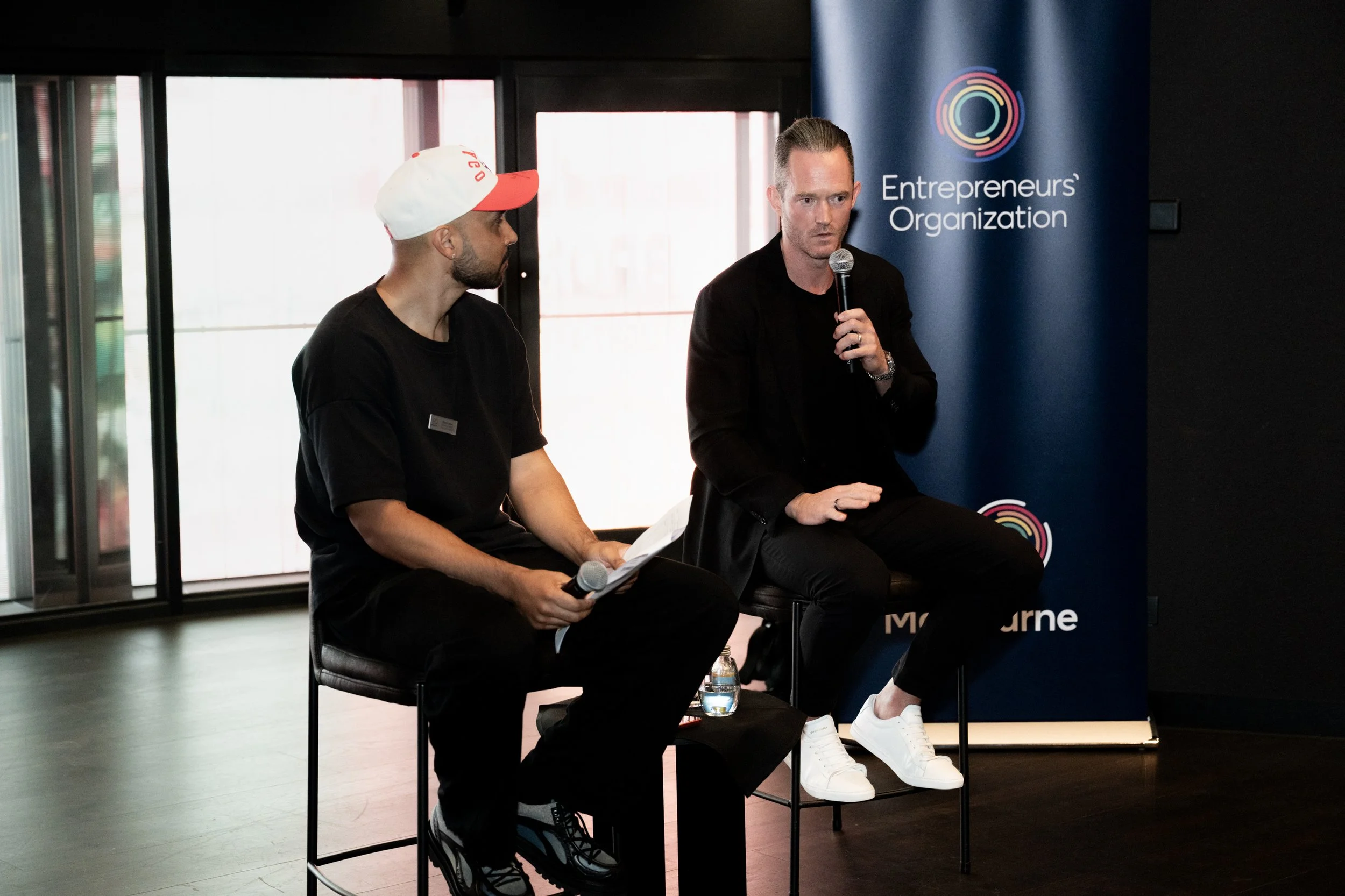
What does it really take to build a business that lasts?
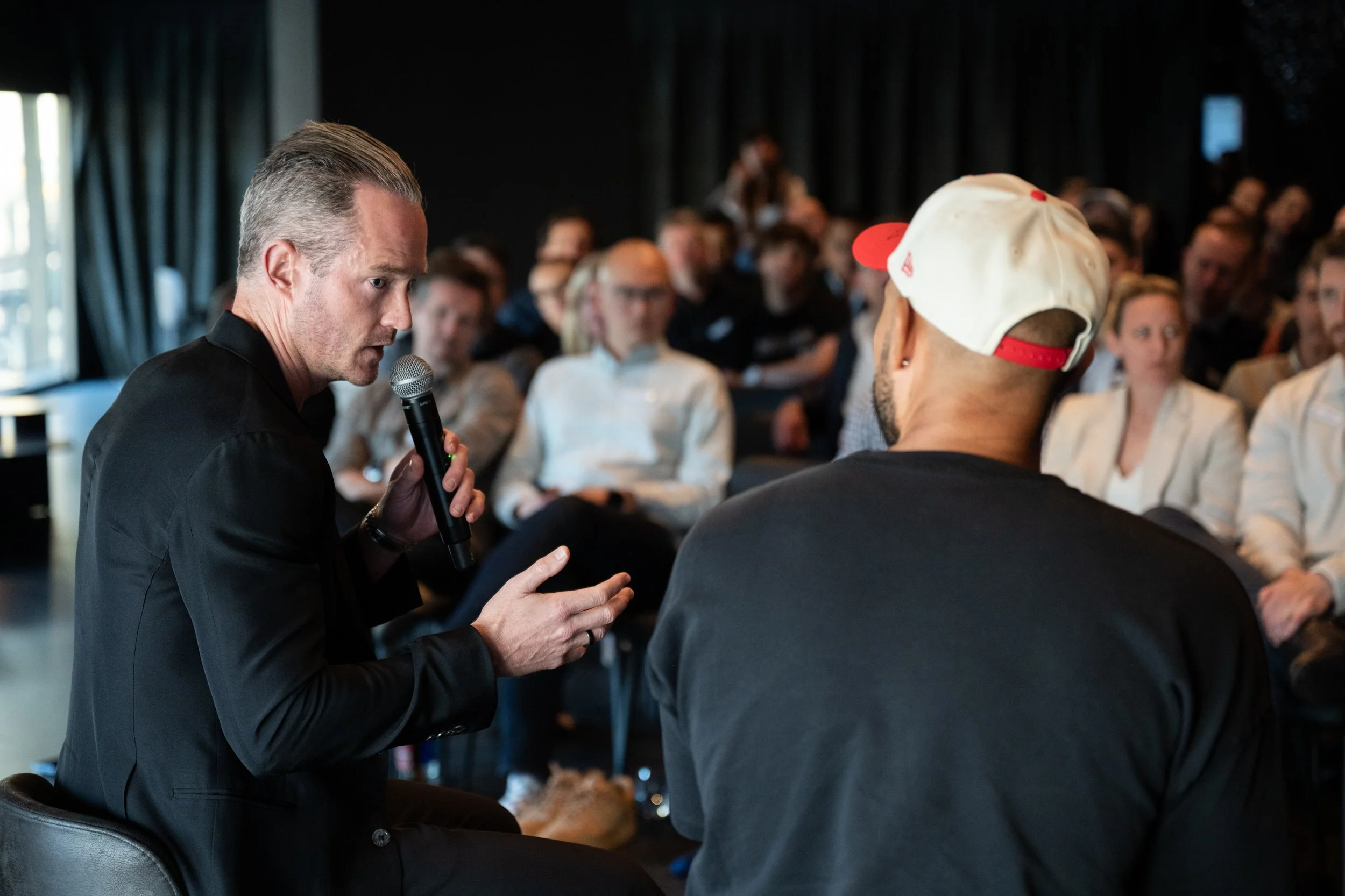
For EO Melbourne members, an afternoon with Tim Gurner, founder of GURNER™ GROUP and Saint Haven, offered an unusually candid look behind the success story. Rather than focusing on the polished version of entrepreneurship, Tim shared the setbacks, relentless work, difficult decisions and lessons that have shaped how he builds businesses today.
The conversation was both insightful and refreshingly authentic, offering a rare opportunity to hear directly from a founder who has experienced the realities of building at scale. There were plenty of practical lessons for EO members, alongside a reassuring reminder that even highly successful founders have faced uncertainty, setbacks and moments when the path forward was far from obvious.
One of Tim’s strongest reflections was on the idea of the “lucky break”. Looking back at his younger self, he admitted that he once believed successful people simply had opportunities fall into their lap. Two decades later, he sees it very differently. In his view, there are no shortcuts. What looks like luck from the outside is often years of consistent, difficult and sometimes unrelenting work behind the scenes.
That same intensity of focus has become a defining part of Tim’s approach to building products and experiences. At Saint Haven, his attention to detail extends well beyond the broad vision. The business has spent very little on marketing since 2022, yet has built a waitlist of around 24,000 people. The underlying idea is simple: when the product itself is genuinely good enough to create demand, marketing becomes less important. In industries increasingly crowded with positioning and promotion, the real experience can become the differentiator.
That philosophy extends beyond wellness. For founders, the challenge is to identify what customers genuinely care about and become obsessed with delivering it well. It is not about appearing different. It is about building something that is difficult to ignore.
Tim was equally open about one of the lessons he has learned the hard way: a business cannot depend on its founder being everywhere.
After dropping back into the detail of the business himself last year, he described the experience as a disaster he does not intend to repeat. The answer was not to work harder, but to build better structure around the business. Clear roles, strong leaders and accountability across every function allow the organisation to operate without everything flowing back to the founder.
That focus on people and structure has helped create remarkable continuity within the organisation, with 39 of the original 40 leaders still with the business. For a founder, building an organisation that can perform without constant personal intervention is ultimately another form of leverage.
Tim applies the same thinking to his own time and energy. His diary is structured around meeting windows, with deliberate space left between them. The discipline is not simply about productivity. It recognises that a founder’s energy is an asset that the entire organisation draws from.
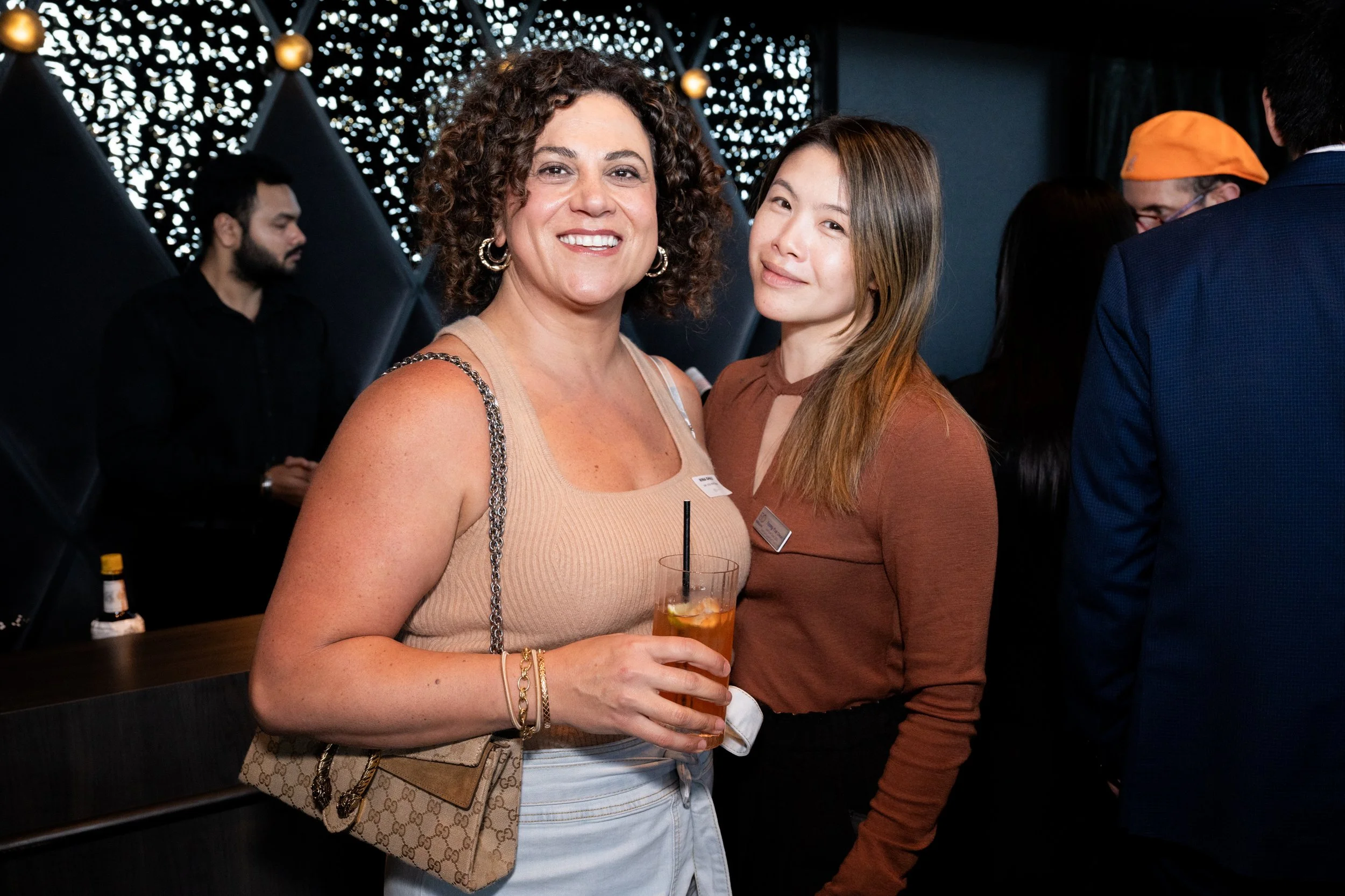
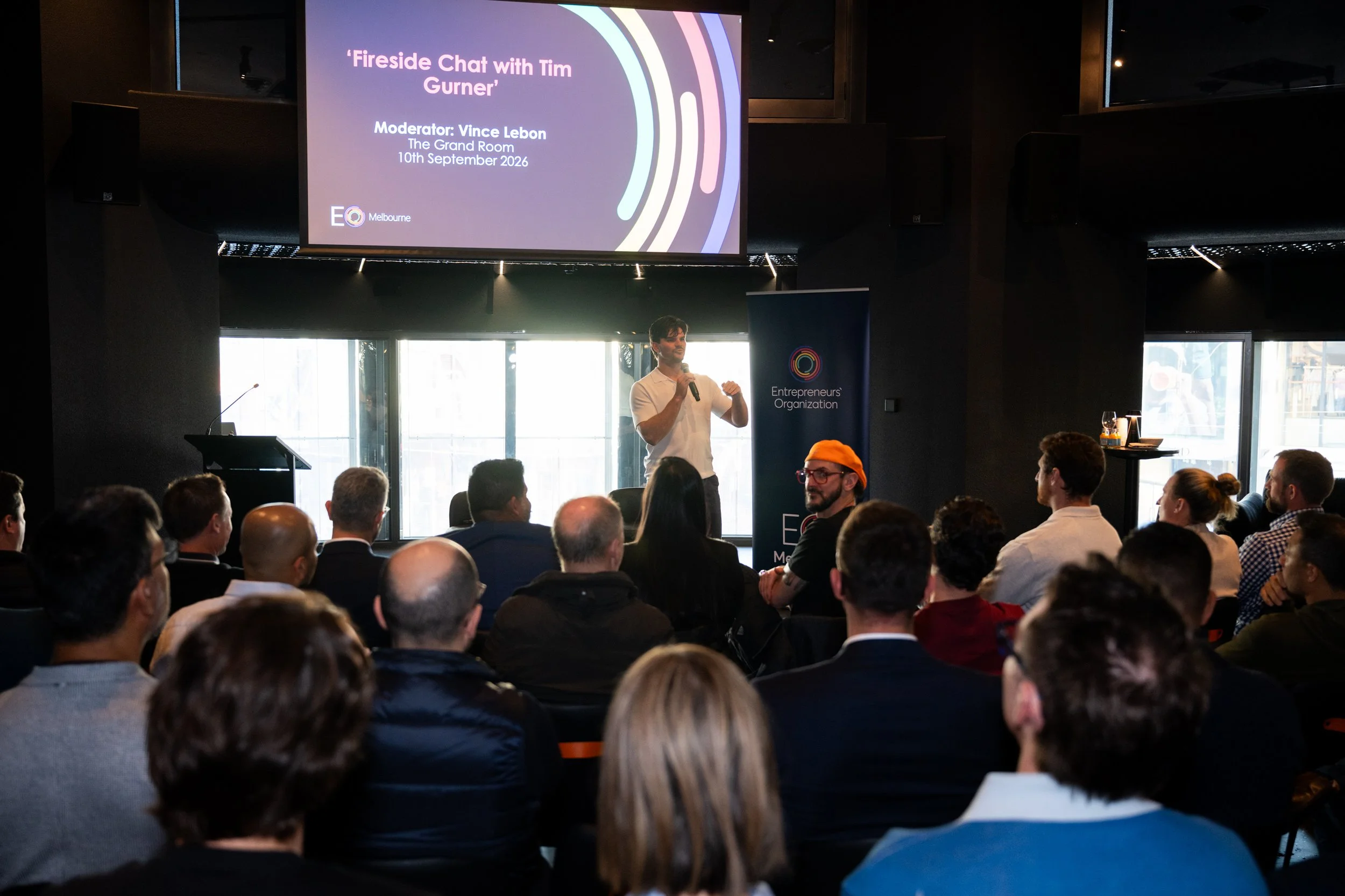
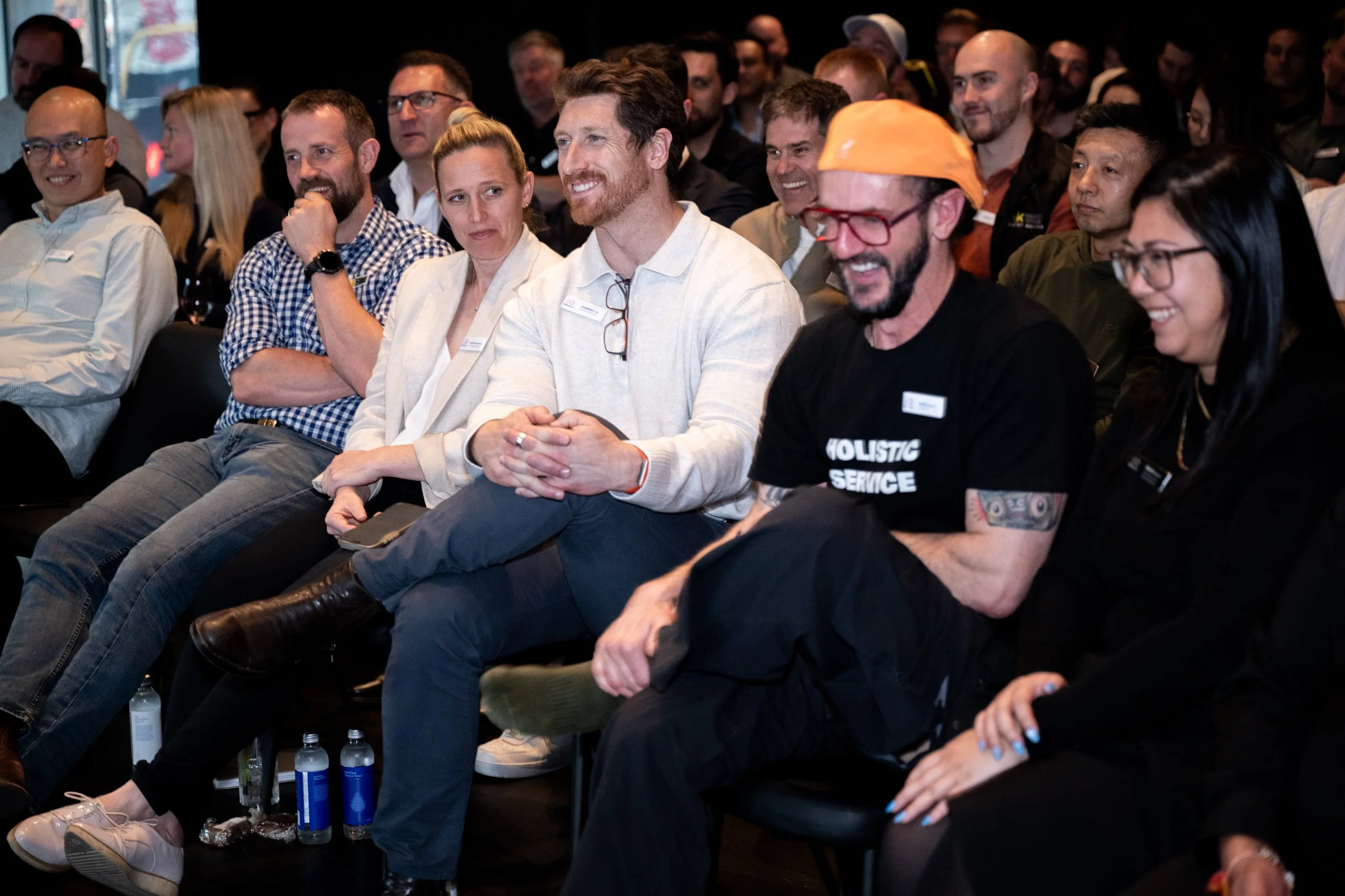
The afternoon also created space for members to engage directly through Q&A, with questions submitted ahead of time helping shape a conversation that felt both focused and personal. It provided the kind of raw access to real insights that is rarely available, with Tim speaking openly about the realities behind the growth.
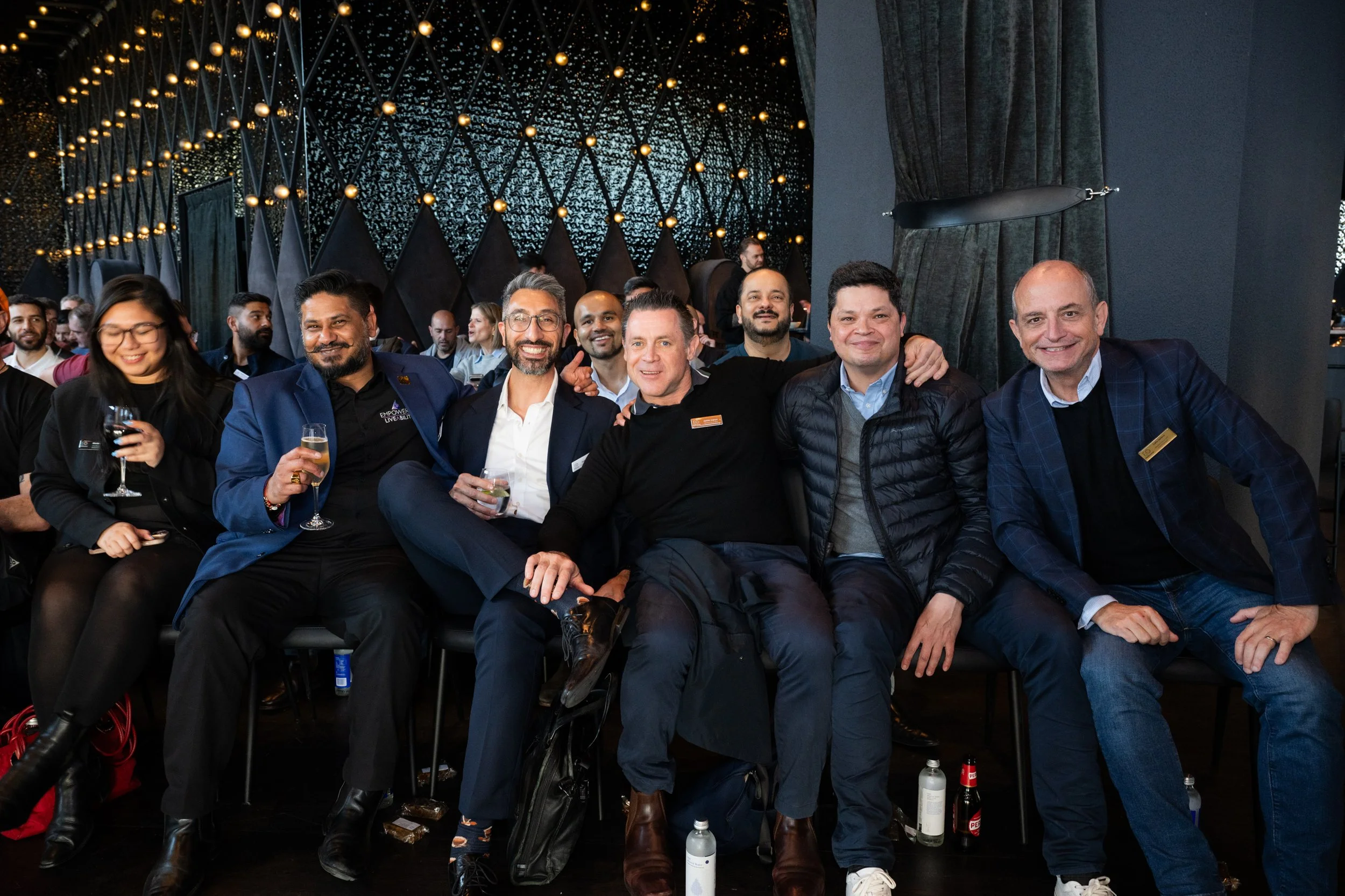
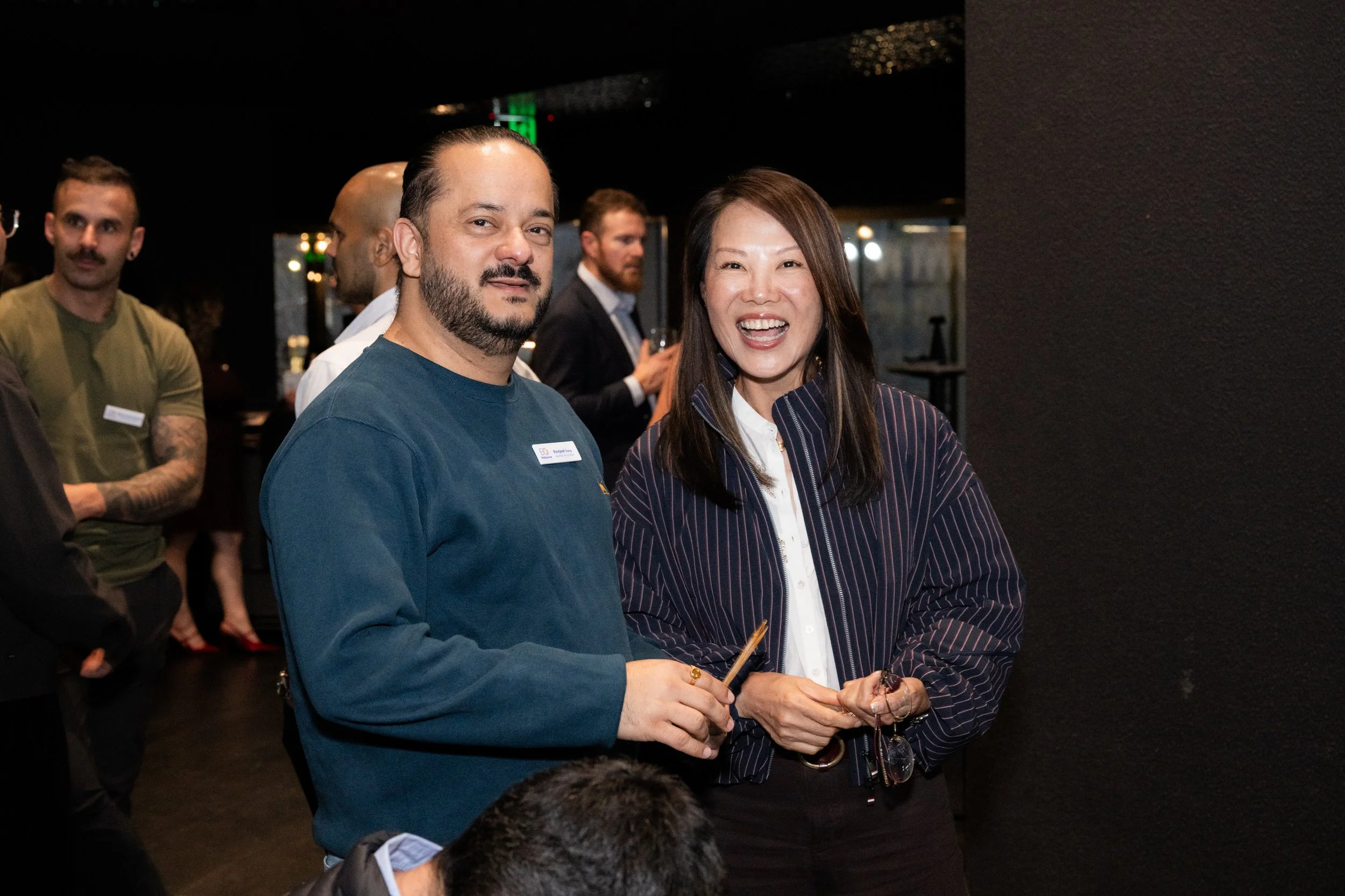
The atmosphere extended beyond the conversation itself. A breathwork and meditation session at the beginning of the afternoon was a welcome touch, setting a considered tone before the discussion began. Combined with the venue and networking, the experience felt authentic, insightful and highly relevant to the EO community.
Perhaps the most reassuring message was also one of the simplest: the struggle is real.
Behind the businesses, brands and numbers are founders solving problems, making difficult decisions, obsessing over details, building teams and continually learning how to step back without losing sight of what matters. Tim’s willingness to share those realities made the afternoon more than a conversation about his own success. It gave members an opportunity to reflect on their own businesses, the structures they are building and the standards they are setting for what comes next.
For EO Melbourne, the Fireside Chat was a timely reminder that sustainable growth rarely comes from one breakthrough moment. More often, it comes from staying in the game, caring deeply about the product, surrounding yourself with the right people and building a business that can become bigger than its founder.