

BLOG
Inside Business Exits: Building a Business Buyers Want
What makes one business irresistible to buyers while another struggles to attract interest?
It is a question many founders may not ask until an exit is on the horizon. By then, some of the most important decisions have already been made.
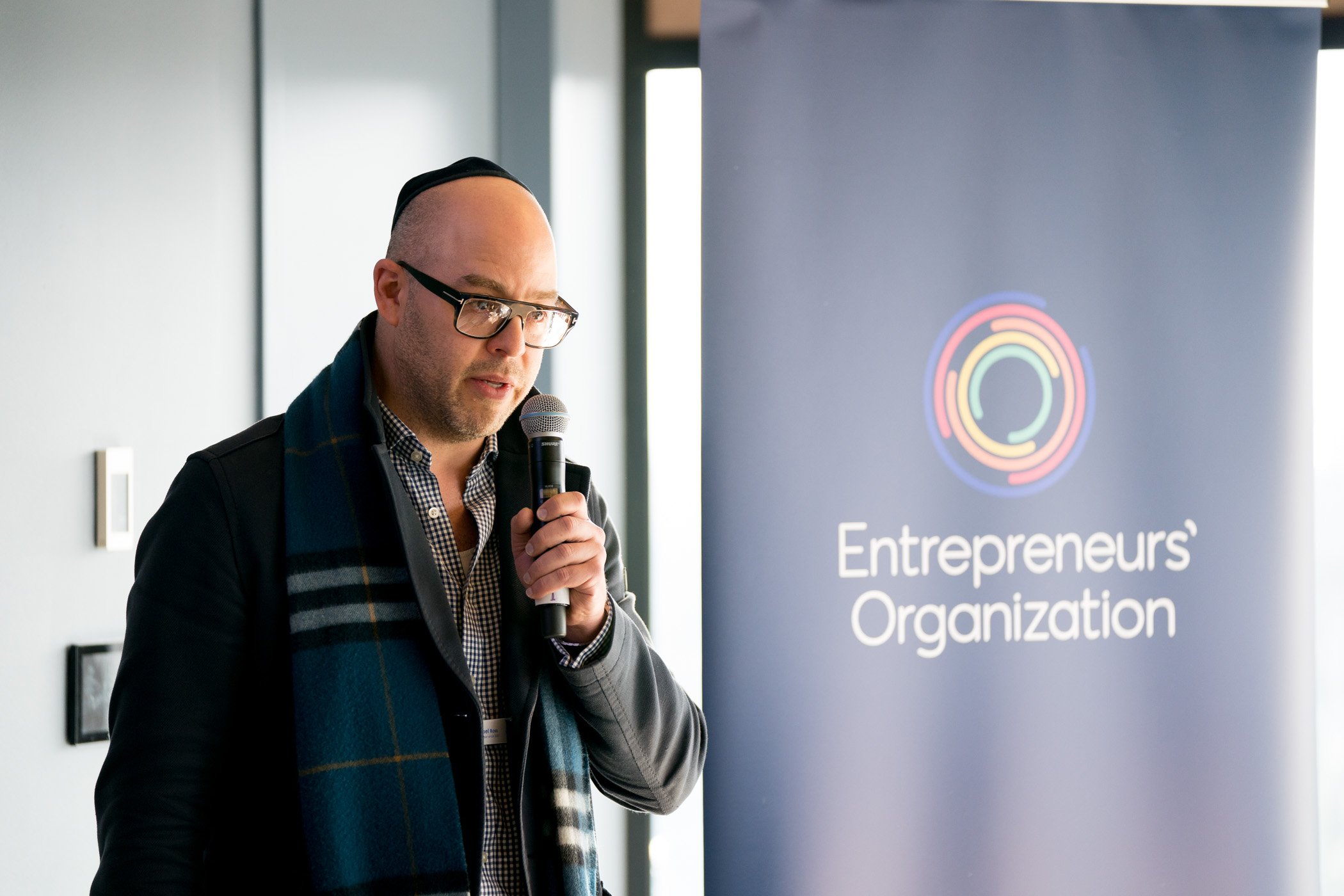
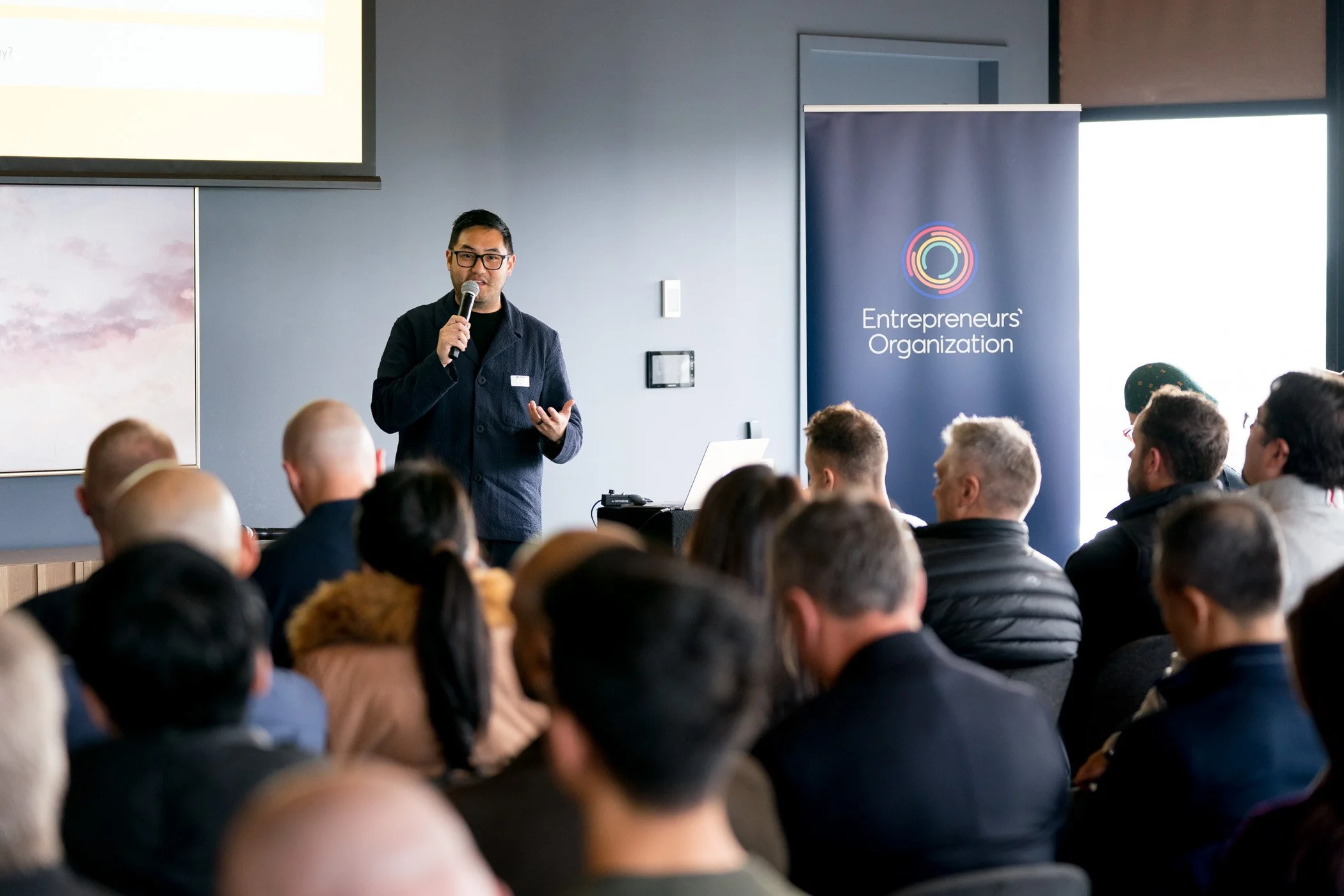
At EO Melbourne’s recent Inside Business Exits Learning Event, members were challenged to look at their businesses through a buyer’s lens, not simply to understand how to sell, but to explore what makes a business genuinely worth buying.
What makes one business irresistible to buyers while another struggles to attract interest?
It is a question many founders may not ask until an exit is on the horizon. By then, some of the most important decisions have already been made.
At EO Melbourne’s recent Inside Business Exits Learning Event, members were challenged to look at their businesses through a buyer’s lens, not simply to understand how to sell, but to explore what makes a business genuinely worth buying.
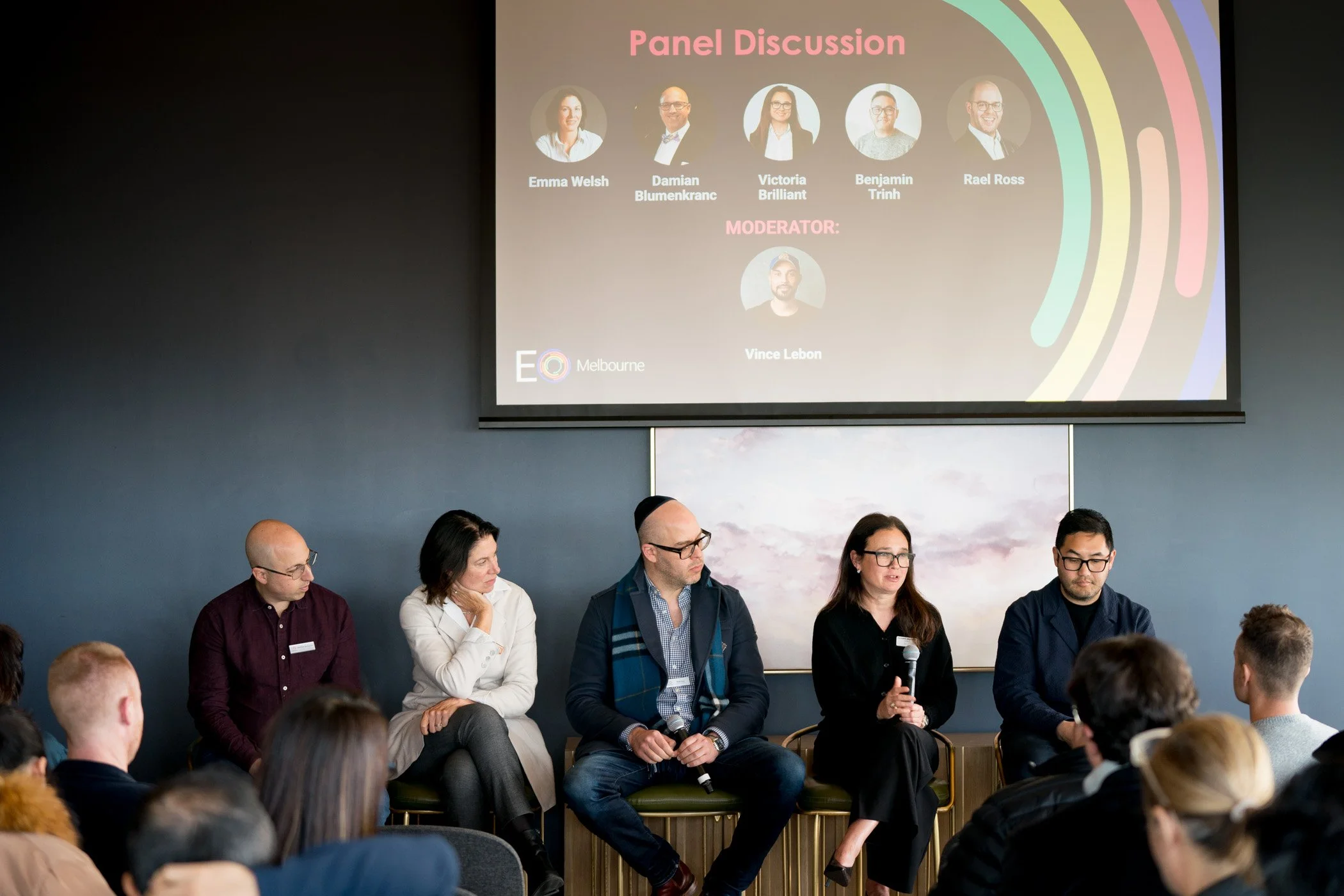
The session brought together founders, operators and advisers who have experienced exits from different sides of the table: Emma Welsh, Co-Founder of Emma & Tom’s; Damian Blumenkranc, serial entrepreneur and Executive Director at Sunset Sleepers; Victoria Brilliant, Partner at McGrathNicol; Benjamin Trinh, Founder of Life Ready Health Group; and Rael Ross, Founder and CEO of Butn.
Their experiences may have differed, but a common theme emerged throughout the conversation: the businesses that are easiest to sell are often the businesses that are best run in the first place.
Build it as though someone could buy it tomorrow
One of the strongest messages from the panel was the importance of building for optionality.
Rael shared a particularly powerful lesson from his own experience. After turning down a nine-figure offer because he believed the opportunity would still be there later, he learnt that every opportunity has an expiry date.
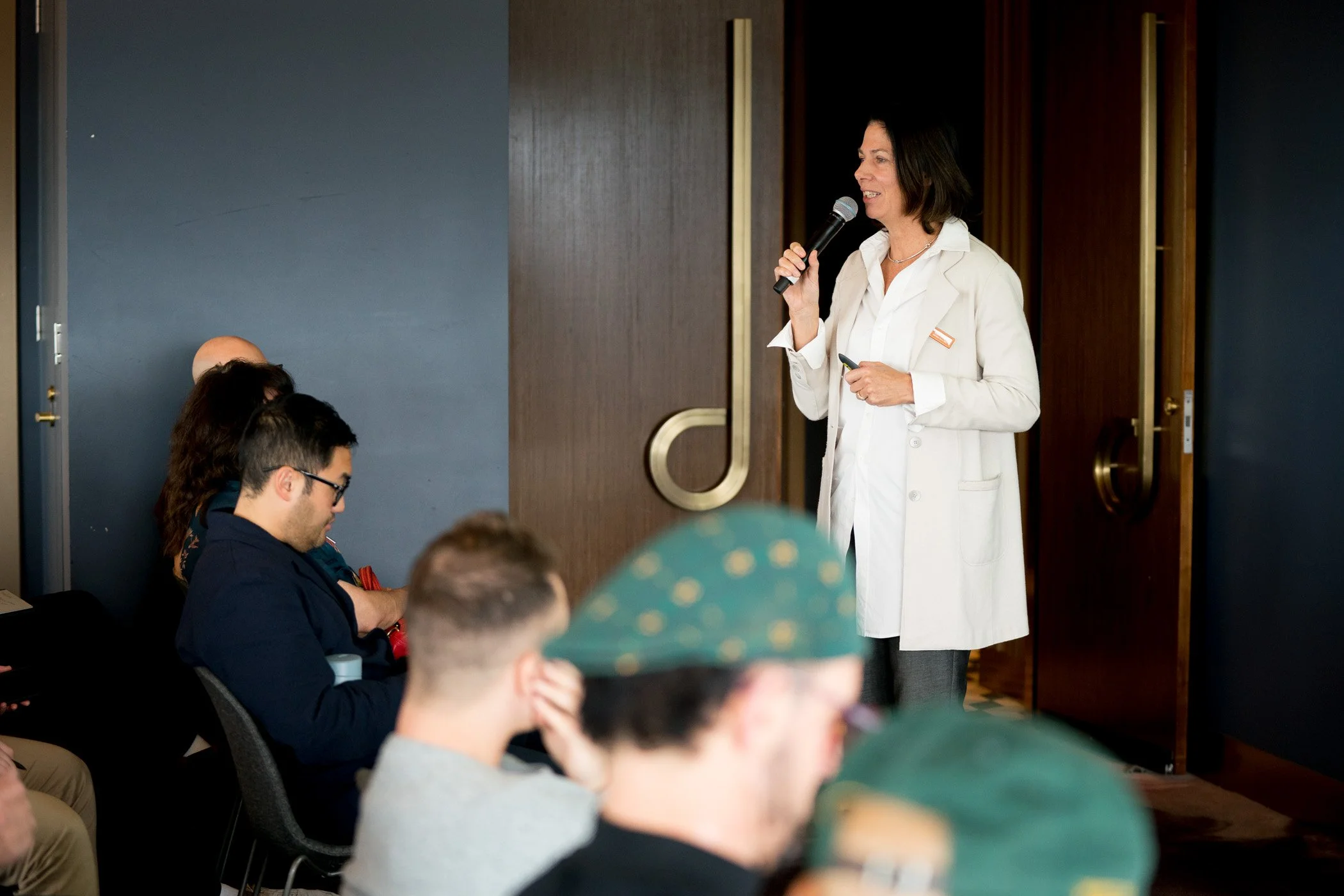
Emma reflected on a similar lesson from a different perspective. Looking back, she wished she had run the business as though it were always for sale, with clean financials, centralised documentation and a focus on sustainable EBITDA well before a buyer ever appeared.
The point is not that every founder should be preparing to sell. Rather, founders should be building businesses that could be sold.
Strong systems, clear documentation, sound financials, capable leadership and reduced founder dependence create a business that can operate and grow without everything resting on one person. They also create greater strategic flexibility when an unexpected opportunity comes along.
Trust is built long before the buyer arrives
If there was one word that kept resurfacing throughout the discussion, it was trust.
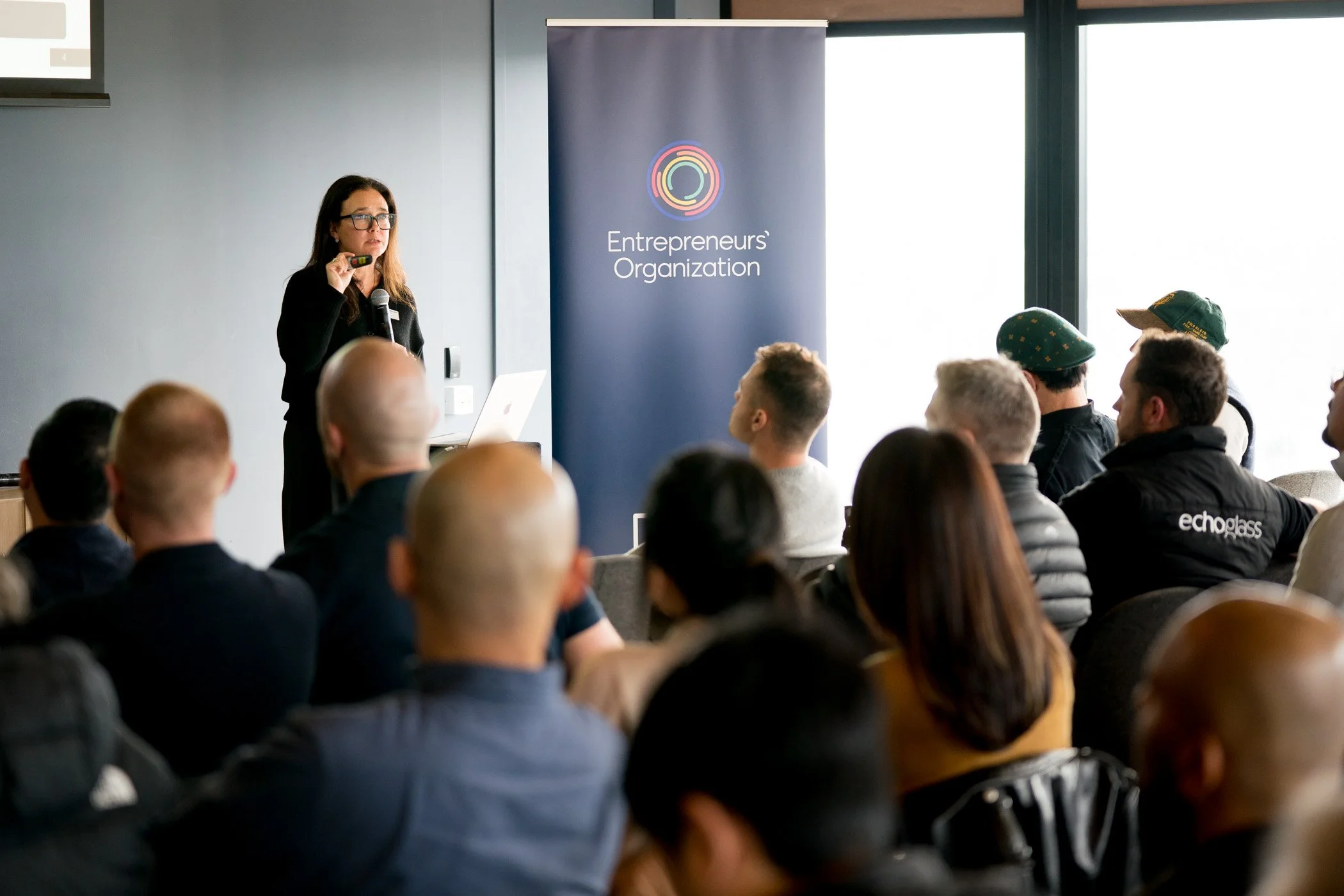
Ben was direct about what a buyer is ultimately trying to establish: can they trust the founder and the business?
That trust is not created through a compelling pitch deck. It is built through years of consistency: sending forecasts on time, delivering against commitments, acknowledging difficult periods and demonstrating that the numbers tell a credible story.
Victoria reinforced this from the perspective of advising founders through transactions. Financial issues need to be addressed before going to market. Growth plans need evidence behind them. Attempting to rewrite the history of a business is unlikely to work when experienced buyers begin digging into the details.
For founders, the lesson is straightforward: your reputation for reliability becomes part of the value of your business.
The value of a business goes beyond its numbers
The panel also explored why two businesses with similar financial performance can attract very different levels of interest from buyers.
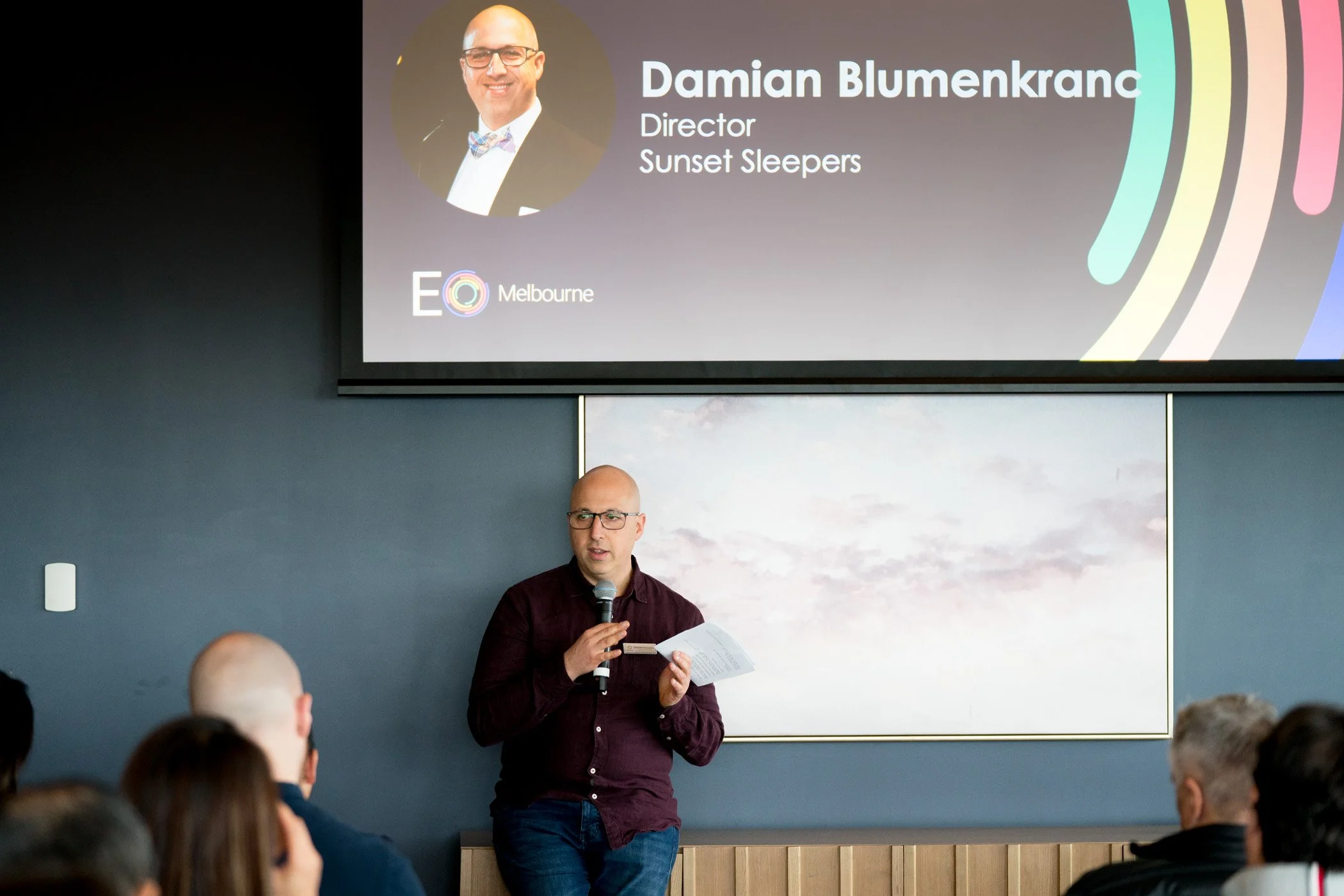
Damian’s experiences demonstrated the importance of understanding what a buyer actually wants. Having sold multiple businesses, he shared how he had successfully matched opportunities with buyers by understanding their individual motivations, whether that meant a visa, a job or cash flow to support another venture.
It was a reminder that selling a business is not simply about presenting the numbers. It is about understanding the opportunity from the buyer’s perspective and positioning it accordingly.
Victoria highlighted several characteristics that can strengthen buyer interest, including scale, a credible growth plan, differentiation, diversification and management depth. When multiple buyers see strategic value in the same business, competitive tension can significantly influence the outcome.
The conversation around earnouts reinforced another important consideration for founders. Where possible, take meaningful value upfront and treat deferred consideration as additional upside rather than the foundation of the deal.
A topic that clearly resonated
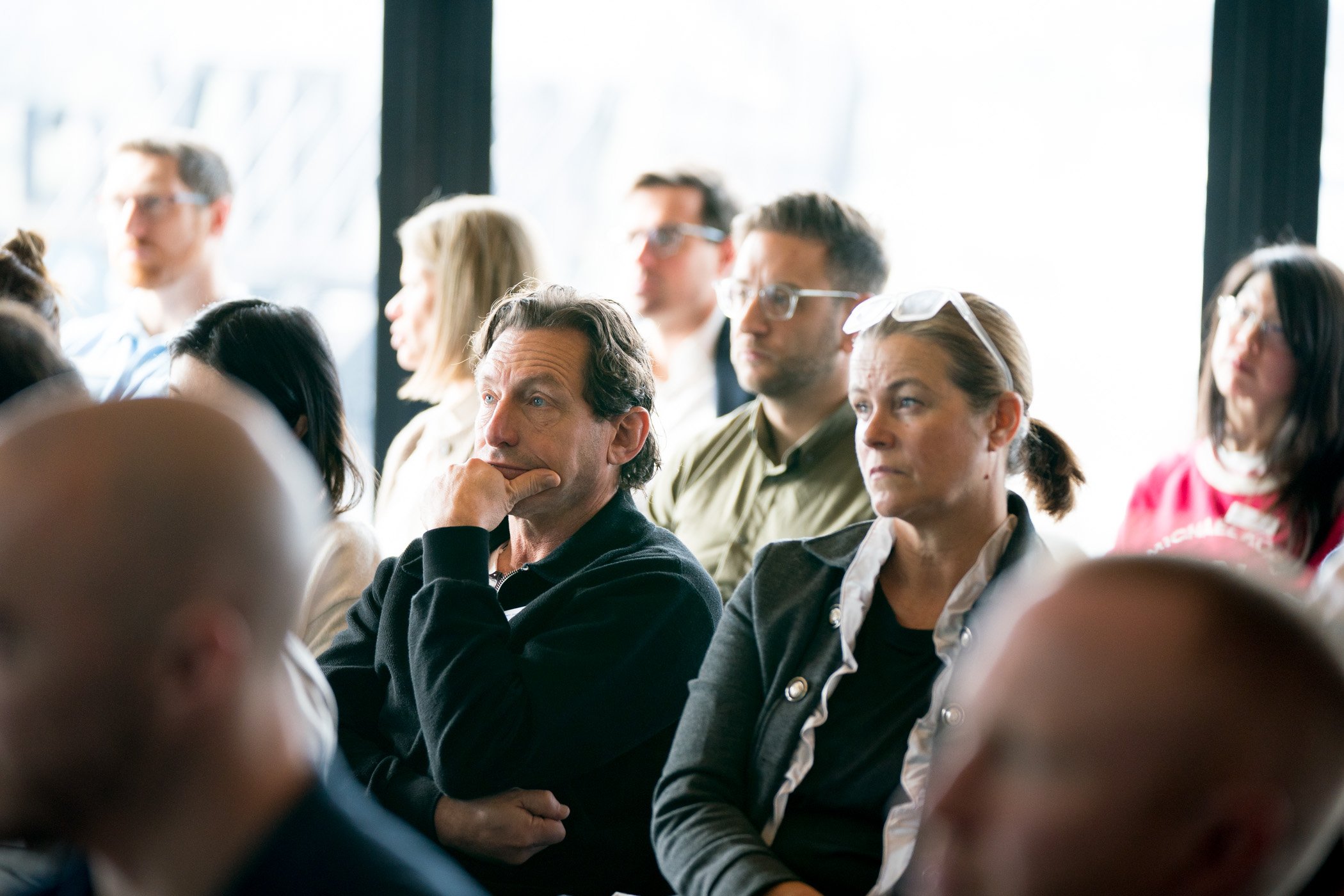
The depth and diversity of the panel were among the aspects members valued most about the session. Attendees highlighted the practical nature of the discussion, the quality of the open conversation and the opportunity to hear directly from people who had built, bought, sold and advised businesses.
The breadth of perspectives also sparked an appetite for more. Some members felt there was enough material to warrant a deeper, more specialised follow-up session, while others called for a Part 2 to explore the different experiences and lessons in greater detail.
That response speaks to the complexity of business exits. There is no single formula, and no two journeys are the same. There are, however, common principles founders can apply long before an exit becomes a consideration.
Build for value. Build for choice.
Ultimately, Inside Business Exits was less about selling a business and more about building one that gives its founder choices.
A business with strong systems, disciplined financials, sustainable growth, clear differentiation and a capable team is not only more attractive to potential buyers. It is stronger, more resilient and easier to scale.
Whether an exit is two years away, 20 years away or not part of the plan at all, building with optionality creates strategic freedom.
And perhaps the most valuable question founders can take away from the session is not “Would I sell tomorrow?”
It is:
“If the right buyer came tomorrow, could I?”