

BLOG
Robotics Revolution with Steve Sammartino: Turning AI into Action
The future of AI is no longer confined to screens. It is taking shape in factories, warehouses, construction sites and even humanoid robots. At Robotics Revolution with Steve Sammartino, EO Melbourne members explored what this shift means for business and, more importantly, how to respond before the future becomes the present.
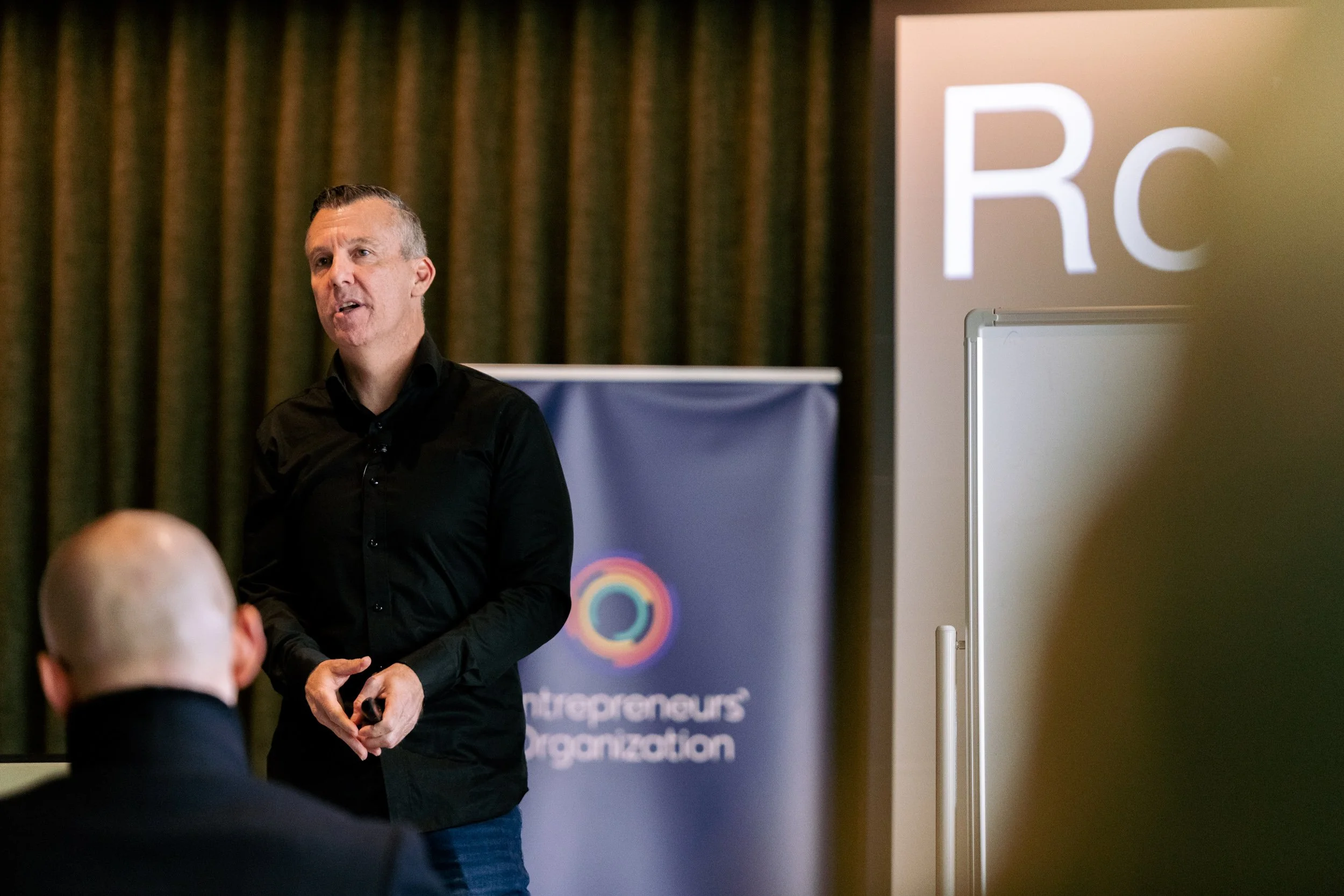
The future of AI is no longer confined to screens. It is taking shape in factories, warehouses, construction sites and even humanoid robots. At Robotics Revolution with Steve Sammartino, EO Melbourne members explored what this shift means for business and, more importantly, how to respond before the future becomes the present.
From the moment the session began, Steve challenged attendees to think beyond today's headlines and consider the rapid convergence of artificial intelligence, robotics and automation. Drawing on examples from manufacturing, construction and emerging technologies, he demonstrated how AI is moving into the physical world at a pace few businesses expect, creating opportunities for those willing to experiment early.
Rather than simply discussing what is coming next, Steve encouraged members to focus on what they could do now. He emphasised that the organisations most likely to thrive will not be those with the biggest budgets, but those prepared to test ideas, learn quickly and adapt.
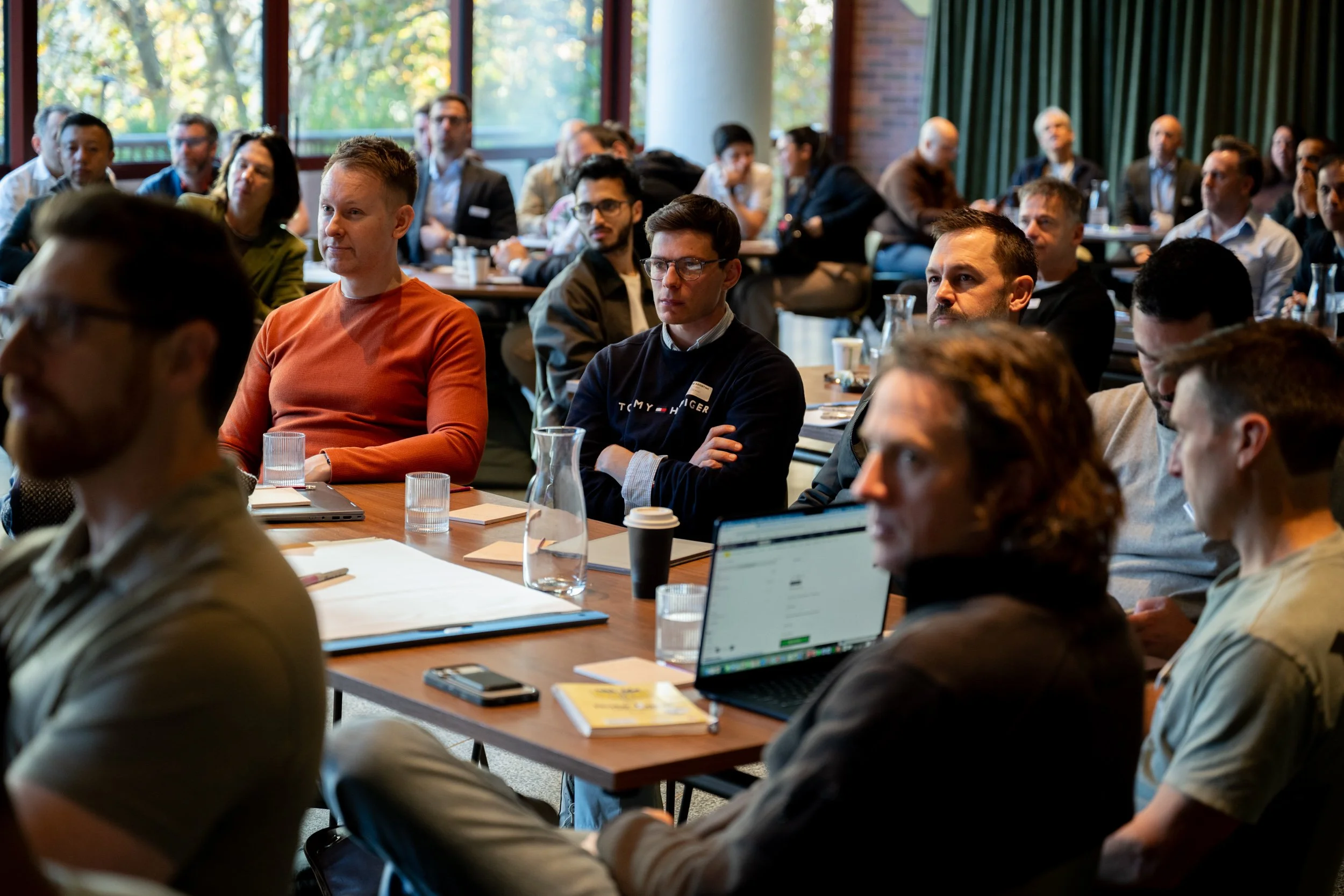
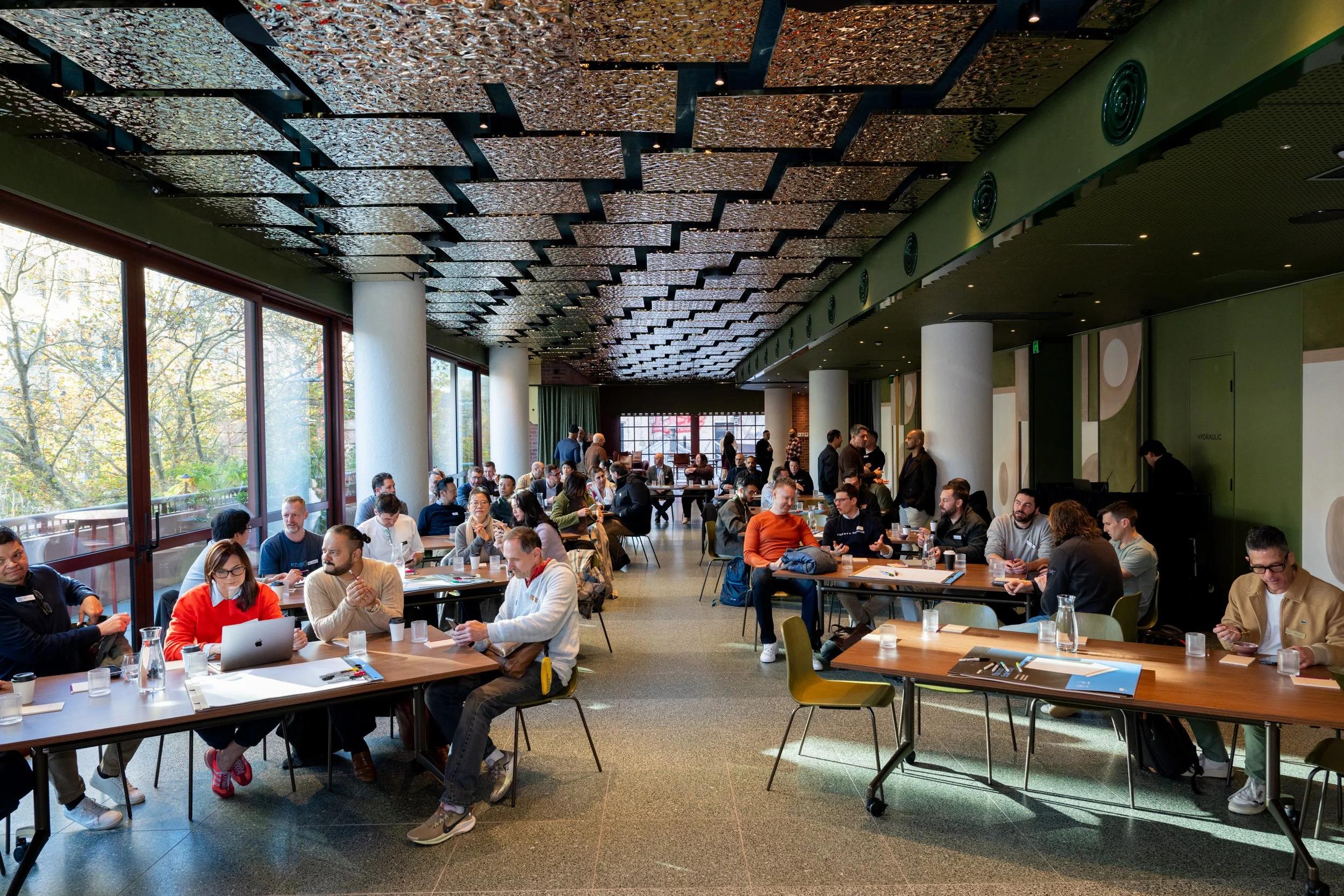
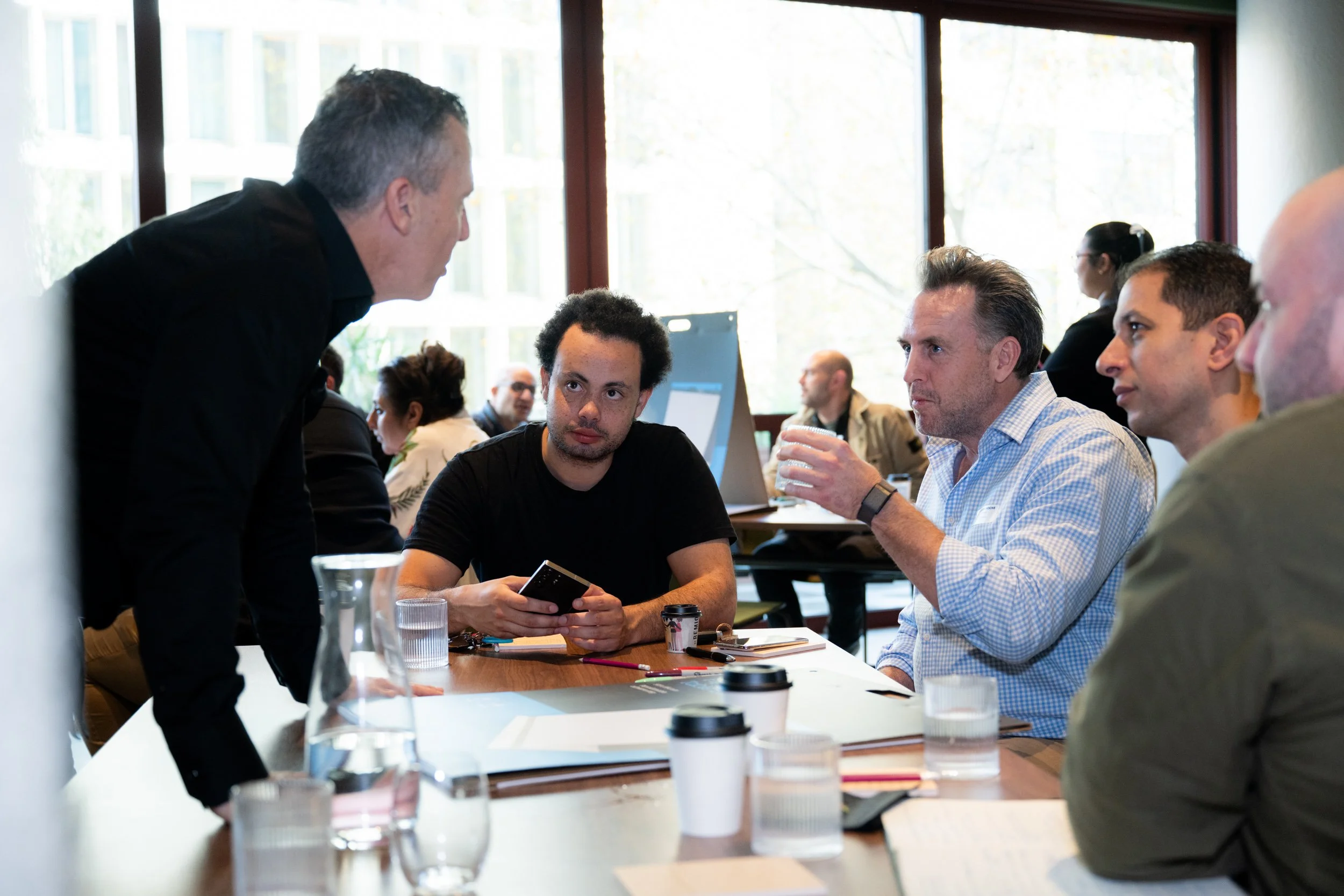
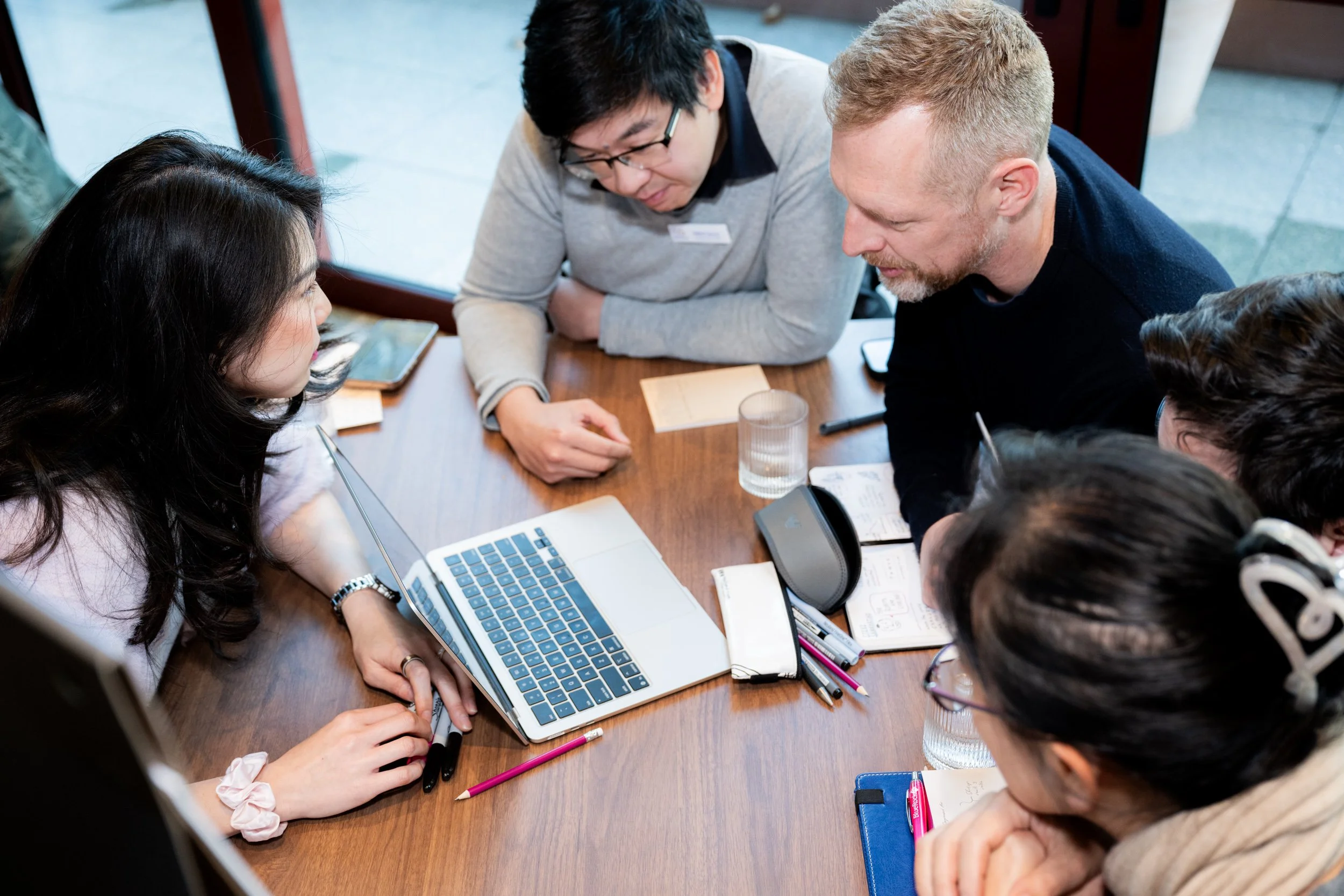
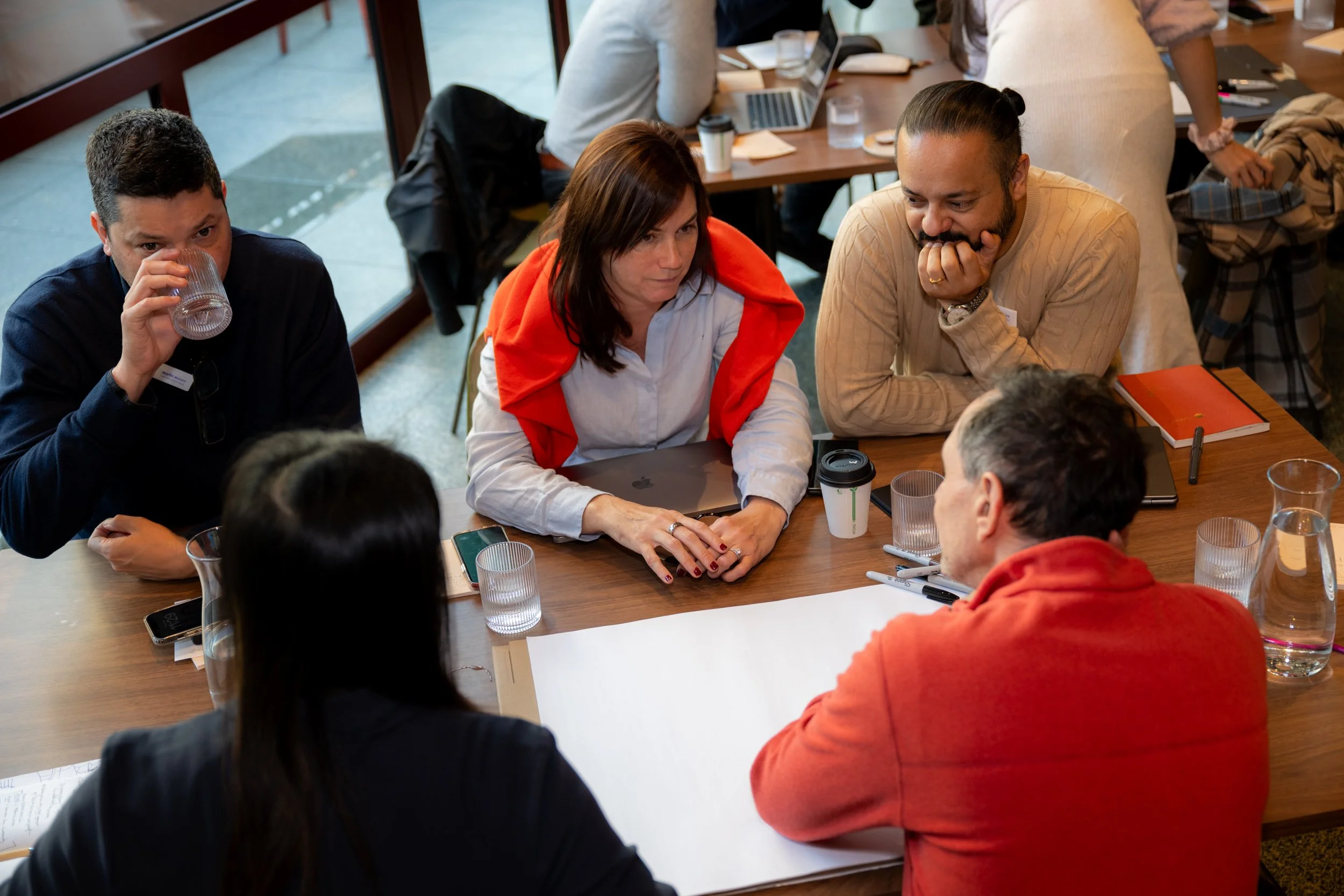
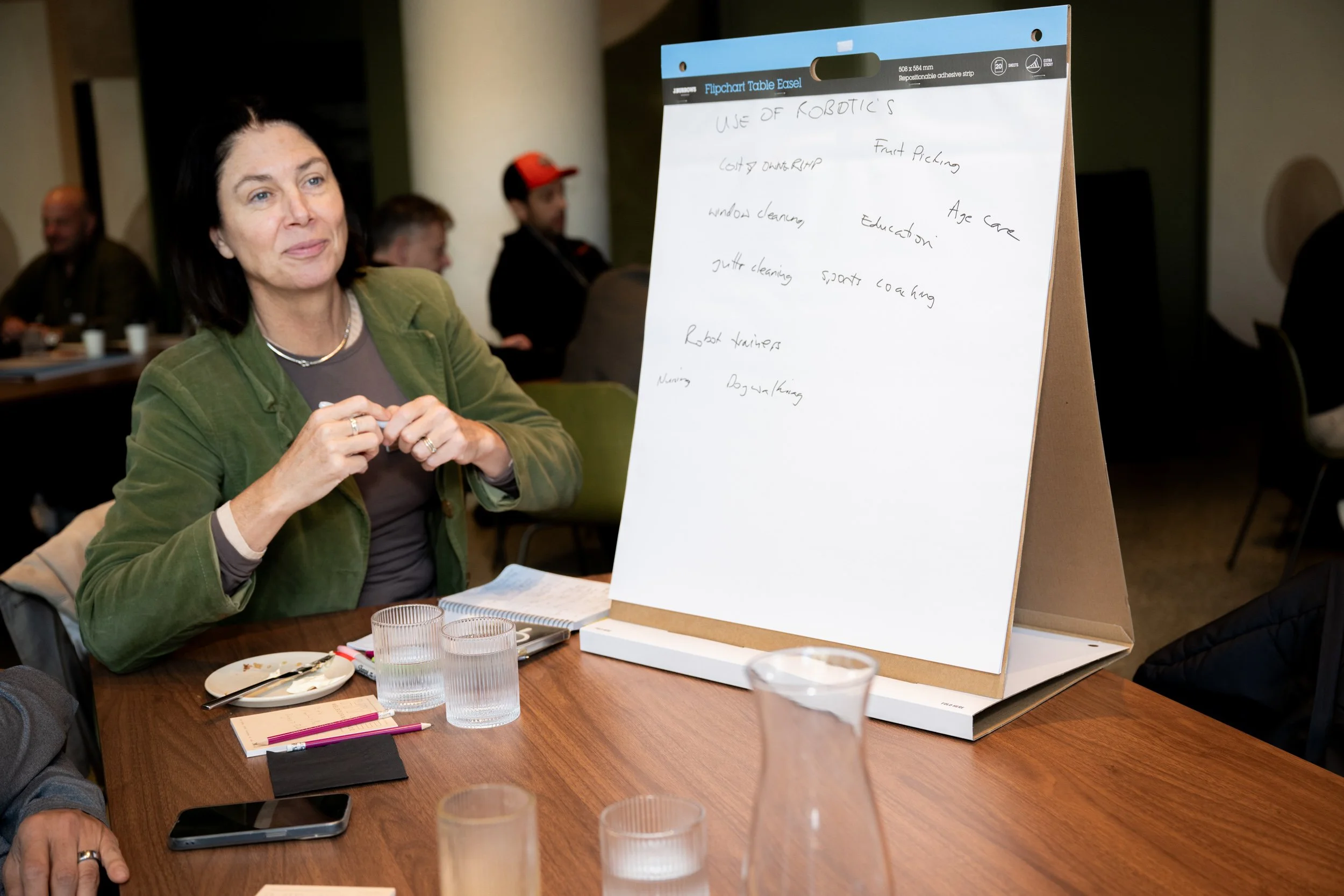
That mindset came to life during the workshop's hackathon-style session. Working in teams, members identified real business problems, developed Minimum Viable Products (MVPs) and pitched their ideas within a tight timeframe. The exercise transformed big-picture thinking into practical action, reinforcing that innovation starts with solving meaningful problems rather than chasing the latest technology.
One of the session's key themes was that the AI race extends far beyond software. Steve highlighted how China has built a significant advantage by combining manufacturing capability, robotics, training data, government support and rapid deployment. The takeaway for entrepreneurs was clear: future success will depend on integrating technology, execution and business strategy rather than treating them as separate disciplines.
Perhaps the most valuable lesson of the day was the importance of asking better questions. Instead of asking how to use AI, Steve challenged members to ask what problem they were truly solving. Are you building a product, or solving a customer need? By adopting MVP thinking, businesses can test assumptions early, learn faster and stay ahead of change instead of reacting to it.
The session left members energised and inspired. Many walked away with practical ideas they could begin implementing immediately, along with a renewed appreciation that the best way to prepare for the future is not to predict it, but to start building for it today.