

BLOG
Jessica Hatzis Shares the Real Work Behind Cult Brands
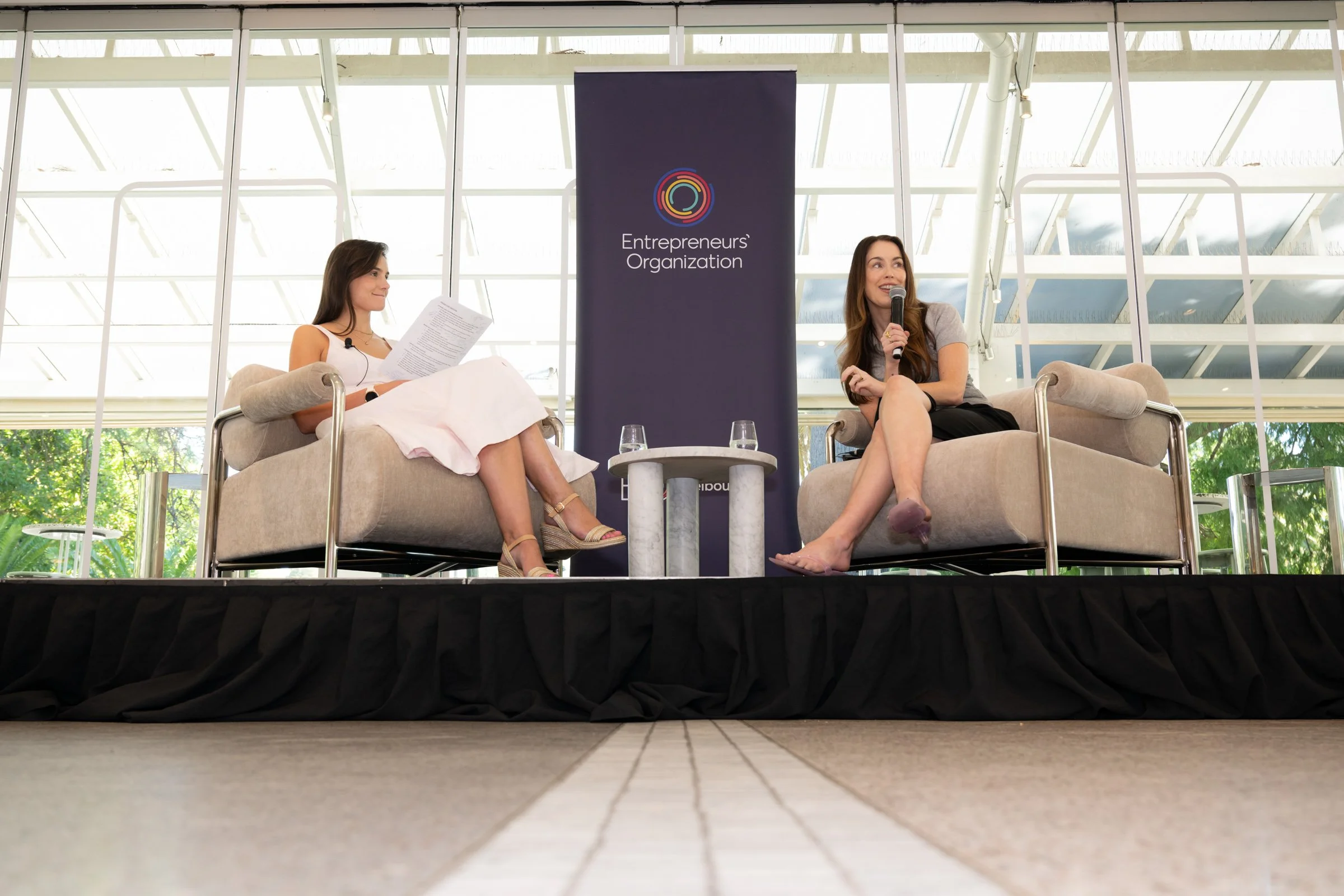
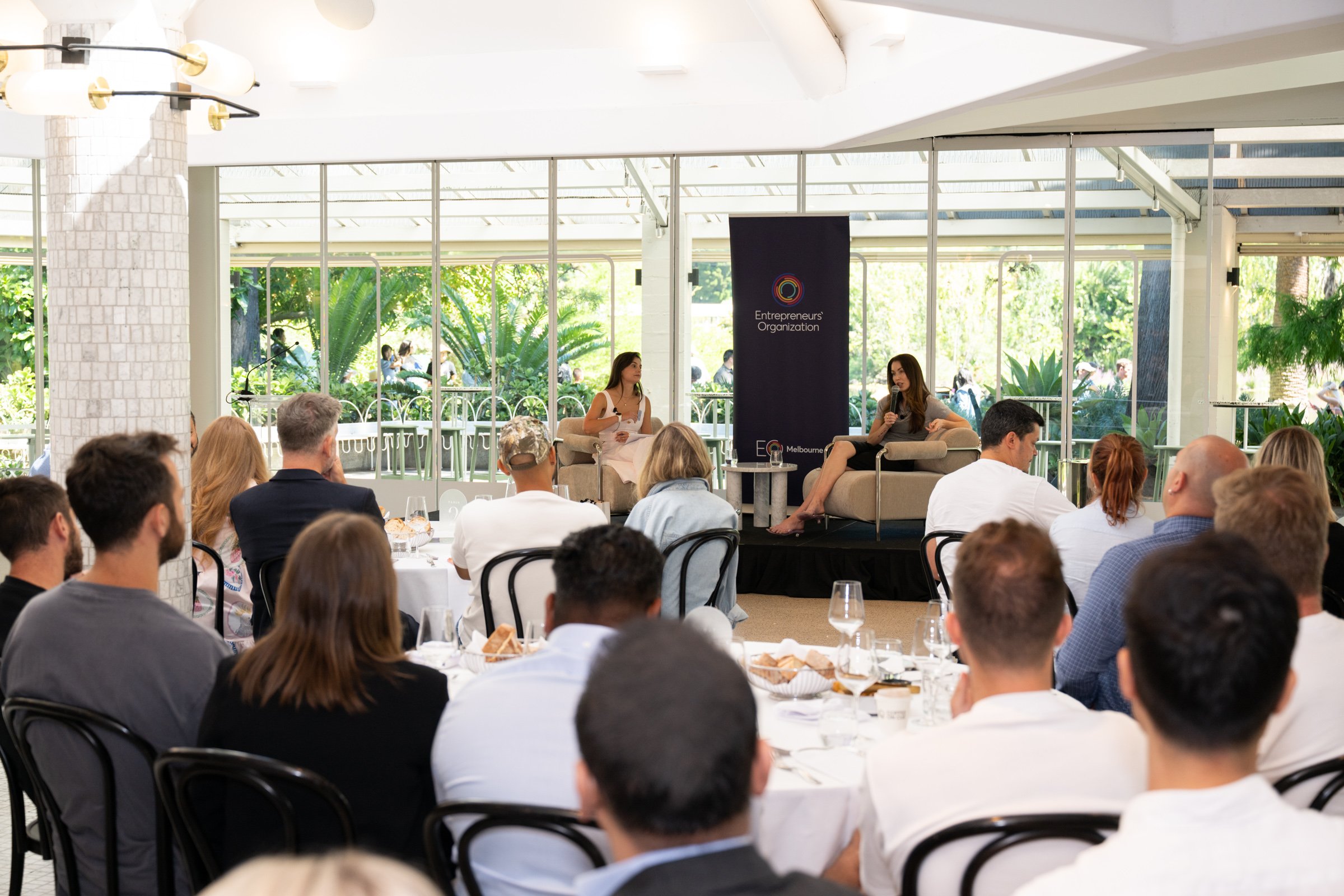
There is a distinct difference between a product that sells and a brand that people line up for, talk about and defend. At EO Melbourne’s recent event, Jessica Hatzis pulled back the curtain on what creates that difference and why it has far less to do with aesthetics than most founders think.
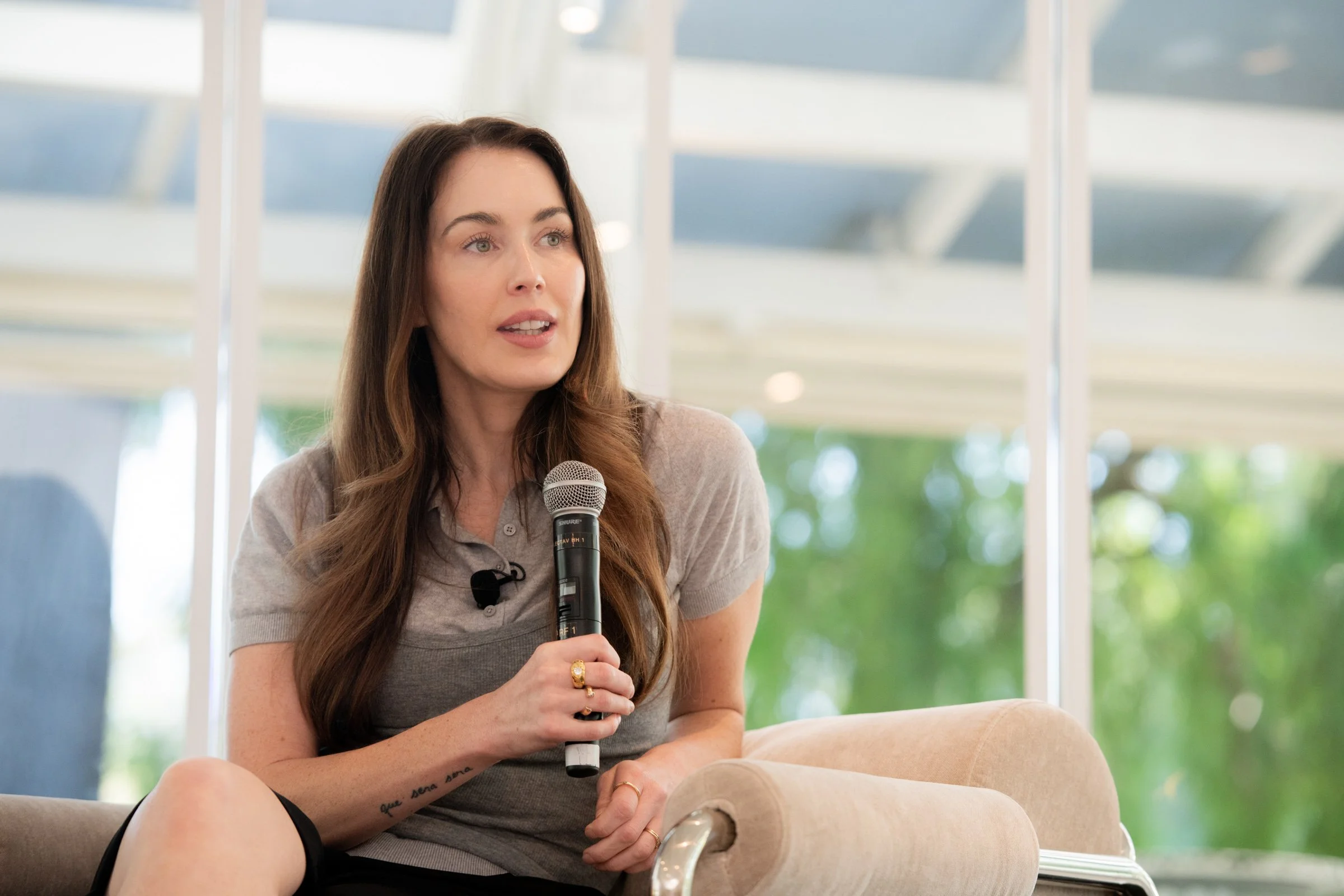
There is a distinct difference between a product that sells and a brand that people line up for, talk about and defend. At EO Melbourne’s recent event, Jessica Hatzis pulled back the curtain on what creates that difference and why it has far less to do with aesthetics than most founders think.
Best known for co-founding Willow & Blake and helping scale frank body into a global success story, Jess traced the unpolished path from early creative experiments to steering one of Australia’s most recognisable skincare brands through rapid growth. Her reflections were candid, commercial and clear-eyed about the trade-offs that shape enduring brands.
One idea surfaced repeatedly. Brand is not decoration. It is DNA. The strongest businesses do not treat branding as a marketing veneer applied at launch; they embed it into hiring decisions, product development, partnerships and expansion strategy. When brand sits at the core, customers feel the coherence and teams understand the standard. Decision-making sharpens.
That clarity demands risk. In many industries, the temptation is to sand down sharp edges and appeal to everyone. The result is often safe and forgettable. Jess challenged entrepreneurs to make deliberate choices, to focus tightly and to accept that not everyone will connect. Distinction requires tension. The brands that endure are willing to be polarising in service of being memorable.


Growth, she stressed, requires equal discipline. Expansion can flatter the ego, but visibility without staying power is expensive. Entering new regions or retail channels only works if the cash flow and capability exist to sustain it. Strategic restraint, choosing one market over five or simplifying rather than adding, often protects momentum better than relentless scale. Every yes is a no to something else, and ruthless prioritisation is a leadership skill rather than a limitation.
As the conversation turned to scale, the focus shifted from brand to identity. The evolution from founder to leader is rarely seamless. Letting go of roles that once defined you can feel destabilising, yet clinging to them can stall the business. Jess spoke to the necessity of detaching ego from title, of building teams that outperform you in specific areas and of playing to strengths rather than guarding territory. Leadership, at its best, expands beyond control.
Threaded through the commercial insights was a quieter truth about responsibility. Behind every growth milestone sits a team whose livelihoods hinge on decisions made at the top. Culture is not a slide in a deck; it is lived daily. The conversations avoided today compound into trust deficits tomorrow. Strong brands breathe their values internally before they project them externally.
The room left with a reframed understanding of what builds a cult brand. Not a single viral moment. Not clever copy alone. It is a blend of conviction, creativity, timing, strategic discipline and the courage to back an idea fully, even in uncertain markets and amid inevitable self-doubt.
For entrepreneurs navigating volatile conditions, the message resonated. Build something cohesive. Choose deliberately. Scale with intention and lead with humanity. When brand becomes belief rather than branding, customers do more than purchase. They participate.