

BLOG
President's Update - June 2021
From the President
Dear EO Melbourne,
Work-Life-Changing Your Habits
Hello, EO family. I hope you have survived this financial year and is focusing on thriving. I am using the end of the financial year to re-set my mindset and throw out some of my old habits to achieve my goals. The pandemic has provided me with an opportunity to transform my daily routines. I have cut back my actual working day by about 90 minutes, and I can tell you that I am reaching higher levels of performance and achievement due to being able to focus more, for shorter periods of time. I feel more energised with a shorter workday as I have more time to pursue other activities, such as exercise and family time.
From the President
Dear EO Melbourne,
Work-Life-Changing Your Habits
Hello, EO family. I hope you have survived this financial year and is focusing on thriving. I am using the end of the financial year to re-set my mindset and throw out some of my old habits to achieve my goals. The pandemic has provided me with an opportunity to transform my daily routines. I have cut back my actual working day by about 90 minutes, and I can tell you that I am reaching higher levels of performance and achievement due to being able to focus more, for shorter periods of time. I feel more energised with a shorter workday as I have more time to pursue other activities, such as exercise and family time. There are certain things I will never go back to post-pandemic like working a 12-hour day every day, travelling interstate for a 1-hour meeting, measuring the headcount in my office instead of profits, stop meeting with B and C grade clients, never be physically out of shape again (well hopefully not!), and skipping my mum's Sunday lunch feast.
New habits I am going to hold on to are checking in more regularly with my team, appreciating nature and a good walk with friends and family, riding my bike, practising kindness and gratitude, and connecting more with our community. I feel all of these changes are allowing me to think more positively about the future and what we all have to look forward to. I encourage you all to undertake a stocktake of your daily habits and take this opportunity to consciously modify your routines to succeed in 2021.
Before we enter the new FY, we are closing the current one with 35 events that garnered a 9.20 overall average rating. And as we move towards FY 2021/22, our Board continues to work hard behind the scenes to ensure we provide our members with rich learning experiences. We have an exciting range of speakers coming up and I invite all of you not to miss our upcoming speaker, Mark Mathieson, who is an organisational psychologist who will unlock the secrets to getting sh*t done. I know I am personally guilty of being addicted to tackling the urgent stuff rather than focusing on the high-impact activities that will help me achieve my strategic goals. But that is precisely why EO is here, which is to aid all of us in our entrepreneurial growth, so be sure to check our upcoming activities for the learning events lined up in the coming months and take the opportunity to use them as tools to your journey.
Warmest regards,

Socrates Capouleas, Finance Chair and Forum Chair, 2020/2021
President 2021/2022
Dealing with unsavoury reviews of your products or services
Feedback is necessary for improvement, especially in one’s business. While positive reviews are always welcome, one cannot avoid getting unsavoury comments as it is not all the time that customers and clients have happy experiences with a service or product. When this happens, how do you deal with them?

Feedback is necessary for improvement, especially in one’s business. While positive reviews are always welcome, one cannot avoid getting unsavoury comments as it is not all the time that customers and clients have happy experiences with a service or product. When this happens, how do you deal with them?
Respond and acknowledge the remark
There may be various reasons behind every negative comment, but the best way to approach it is to face it head-on. Lauren Staley, Managing Director of Infolio Property Advisors, sometimes encounter situations where they receive feedback on issues beyond their scope.
“This is a tricky one and often frustrating as I operate a property advisory and property management firm, so we can get tenants frustrated with something and wanting to express frustrations on Google reviews and it's typically about the landlord or maintenance issues which are mostly out of our control. My approach is to write back that we acknowledge their frustration, however, suggest that anyone reading the review contact me directly for a more informed and balanced view of the situation,” she stated.
Reach out to the customer
Getting complaints or unfavourable reviews are not uncommon in the hospitality industry where impeccable and quality service is of the utmost standard. Malcolm Bean, Director at Beanmkrgy, a company that is into hospitality consulting and investment, shared what they do whenever they get into this situation.
“We strive to recognise with a response from a senior manager as immediately as possible. The goal is for it to be a real response (not an obvious corporate robot type) addressing the specific issue/s and what the rectification/next steps are (sometimes to call out an untruth, too). I think being candid is appreciated by most. Often the response is a great marketing opportunity to let any reader know we are committed, will take action and also to lengthen the response to talk about our broader offering, too. In the hotel/hospitality industry, our goal is to then have the customer come back again and give them a normal experience. The most loyal customers are those who started as unsatisfied,” Malcolm explained.
Address the concern and resolve the issue
Similarly, Rahul Kale, Director at Sunpower Renewables, believed to tackle the issue as soon as possible by taking the first step in knowing the motive behind the feedback.
“Get in touch with the customer. Understand the reason for their unsavoury comments. Unsavoury feedback is not meant to hurt your ego and make you recoil - it is important feedback that benefits the company to get better, improve and grow. Ignoring the issue or defending your position does not help – instead, address the concern and work with them to resolve the issue. Nine out of ten times this has worked for us,” he remarked.
Learn and understand, then pivot if needed
Oftentimes, receiving feedback from a dissatisfied customer is an opportunity to step back, review your business and see if there’s anything that needs to be changed.
Meirav Ambar, Partner at Trendtrade International, take this as a learning exercise to know more about their customers and have a better look at their services. “It's very hard, especially when you are truly passionate about what you do. But by definition, a brand doesn't target everybody. I take the feedback, sometimes have a one-on-one discussion with that customer to understand more, learn from it and pivot if needed and move on,” Meirav shared.
Take as an opportunity to improve
Some feedback may affect a business positively or adversely. But even negative reviews can be turned into something positive by making improvements in the business.
Aaron Smith, Founder of KX Pilates understands this and makes it a motivation to better the offerings he extends to his target clients. “Productive feedback is the pathway to and necessary for continuous improvement, which is what KX is all about. Look at these reviews as a direct line from your customers on how you can improve, but make sure that this feedback is coming from a customer you want to retain. Remember, the customer is not always right, but the RIGHT customer is always right.”
In all these, discernment is key to taking whatever step you believe suits the negative feedback you receive. As shared by our members above, it is important to know where the comment is coming from and the details or reason behind them. If they are valid and justifiable, waste no time in taking action to lessen any adverse effect it may have on your business. Moreover, open communication can help in turning the situation around and resolving whatever issue was raised. Lastly, take it as a learning experience where you can further develop and improve your business.
If you have a similar experience, share with us below how you managed the situation.
How do you retain good employees?
This is a question that many business owners and managers often ask as having good employees and retaining them are important to running a successful business. There are no easy ways to do it, so we sought the help of some members of EO Melbourne on their experiences and best practices that may also be helpful to other entrepreneurs.
Meirav Ambar, Partner at Trendtrade International, Malcolm Bean, Director at Beanmkrgy Pty Ltd., Rahul Kale, Director at Sunpower Renewables, Aaron Smith, Founder of KX Pilates, and Lauren Staley, Managing Director of Infolio Property Advisors shared some of the things they do on how to keep good employees within their team.

This is a question that many business owners and managers often ask. It is because having good employees and retaining them are important to running a successful business. There are no easy ways to do it, so we sought the help of some members of EO Melbourne on their experiences and best practices that may also be helpful to other entrepreneurs.
Meirav Ambar, Partner at Trendtrade International, Malcolm Bean, Director at Beanmkrgy Pty Ltd., Rahul Kale, Director at Sunpower Renewables, Aaron Smith, Founder of KX Pilates, and Lauren Staley, Managing Director of Infolio Property Advisors shared some of the things they do on how to keep good employees within their team.
Build a healthy work environment

Looking after the well-being of your team members help in employee retention. For Lauren Staley, what she did is that “I created an office ‘Zen Den’ this is where staff can ‘zen out’, meditate, relax, etc. We also hold nutrition workshops for staff in this space, as well as yoga and mindfulness sessions. We have a masseuse come to the office once a month.” Apart from that they also provide clear feedback on staff performance and quality of work, regular training, and leadership paths.
Create a good corporate culture and path for growth

Culture is paramount in every organisation and it plays a significant role in the longevity of a business. It shapes the work landscape and the dynamics among team members. Aaron Smith shared that it is helpful to “create an amazing culture in an amazing environment through vulnerable and courageous leadership and be flexible with and care for each individual's circumstances. As the owner, it is your job to create a pathway for your employees to develop and grow. Give them ownership whilst providing accountability. And most importantly, have FUN! If people LOVE working for you and your company you'll retain them for the long run.”
Value your good employees

Employees tend to stay longer in an organisation where they feel they are being valued. Rahul Kale stressed the importance of this. “First, you must respect your employees and understand the value they bring to your organization. If you judge a fish on its ability to climb a mountain it will always disappoint you. You must value the individual’s skill set that they bring to the table and empower them to function at their optimal level.”
He added, “I like to ensure that the worthy employees are compensated well, both in terms of monetary benefits and job satisfaction, and give them their space to work. By worthy, I mean those who take on responsibility and like to see things through. Our process starts right from the interview stage where we try and understand the employees’ strengths and weaknesses and then give them the required support, training, and opportunities to excel in their role. Investing in our employees to upskill, train and motivate them is another great employee retention strategy as it works well for both – the employee and the organisation.”
“The company’s culture and policies play an important role in defining the working parameters for your team – once defined, it is important to empower and allow someone the space to do what they do best. I am not a big micromanager and prefer employees who take on the responsibility and accountability to go above and beyond. Understanding each employee’s learning curve and giving them the time to settle in truly do wonders for their self-development and overall team morale,” he iterated. Rahul also quoted Sam Walton wherein, “Outstanding leaders go out of the way to boost the self-esteem of their personnel. If people believe in themselves, it's amazing what they can accomplish.”
Put clear action plans and customise strategies for different employees

Meirav Ambar also discussed some of the strategies she does within her business in keeping good employees. “I do a few things, and of course adapt the strategy according to the specific employee:
1.) The people we work with are the people we play most time with. While we manage a highly professionally driven environment, we also have a lot of fun.
2.) Every employee has clear KPIs and a clear action plan which we regularly review. Clear KPIs are important for our sense of accomplishment and value.
3.) Most importantly, I trust them. I truly believe that micromanagement is the worst form of management and is the main reason ambitious employees leave their place of work.”
Maintain a strong relationship with your employees

On the other hand, what Malcolm Bean usually does is that he "strives to have independent direct relationships with my team members, especially with the A-players, and work on these weekly. Each person is different, and a deep relationship results in a customised or independent career and life plan. Often, people don't leave the job, they leave you because there wasn't true mutual understanding and connection.”
---
How about you? What do you do to retain your good employees? Share with us your tips through the comments section below.
Mentorship: Accelerating growth by learning from others’ experiences - The Salt & Fuessel’s experience
We have always come across this quote by Jordan B. Peterson: “Experience is the best teacher, and the worst experiences teach the best lessons.” Although the hard lessons are those you experience yourself, there are ways to avoid the common pitfalls and save yourself from losing time and money by learning from the experiences of others. It can only be done if you devote enough time listening to and learning from the story and lessons of those who are ahead of you in the entrepreneurial path.
Have you come across this quote by Jordan B. Peterson: “Experience is the best teacher, and the worst experiences teach the best lessons”? True, hard lessons are those you experience yourself, but surely, there are other ways to avoid the common pitfalls and save yourself from losing time and money, which can be done by learning from the experiences of others.
This is the beauty of mentorship because one can get tips and tools on how to fix things and do them right through having one-on-one conversations with entrepreneurs who have more experience than you. It is one of the many benefits of having a mentor that Gabriel Esseesse, Co-Founder at TestMate and Salt&Fuessel, has come to recognise as a participant of EO Melbourne’s Mentorship Program. It is why he is thankful to have Sue Jackson, Chair and Director of Solterbeck Events, as a mentor who provides him with guidance, support, and assurances.


Finding like-minded individuals
Entrepreneurship is not an easy road, and often a solitary one. Sue has experienced it herself and hopes she can be there to guide and keep Gabriel’s company at this part of his entrepreneurial journey.
“It's very lonely when you run your own business and there's no one there to defer to or ask a question. It's helpful if you've got a business partner so you're in it with someone else, but still, every single decision is yours because the buck stops with you,” she described.
Gabriel agrees that it is reassuring when someone more advanced in the entrepreneurial journey helps those who are still getting to the point where mentors are right now.
“That reassurance of someone tapping on your shoulder and saying, ‘Yeah, everything is going to be okay. Just keep at it, as I've done that. I know how hard it is, so just keep moving.’ That is sometimes all you need and people from the outside don't see that. I mean, my wife would not understand that, my friends would not understand that. It's just someone who has done that road and built the businesses that know the constant struggle and the lonely struggles that you face. That's why I'm always thankful to Sue for all the words and knowledge that she provides.”
Opportunity for growth
Growth is an ongoing thing that even entrepreneurs have come to recognise as something important in personal and professional development. “Since I joined EO, I realised more and more how important education was and how important learning from others was going to be in my career. Just by having a mentor, especially like Sue, someone who has done it and was already in a place where I would love to be in a few years, I thought it was going to be an amazing opportunity for me to accelerate that growth and that knowledge,” Gabriel explained.
However, it is not just Gabriel who is growing through mentorship. Sue also admits she’s picking some insights from Gabriel as well. “I equally learn from Gabriel. I don't know everything about his business, so that's fascinating. I'm always interested in other businesses and other stories so I can continue to learn,” she shared.
“It is valuable and enjoyable because when you get to my stage of your career, you sometimes forget how much you've learned and how many trials you had along the way. It's not until you know the younger entrepreneurs coming up and you realise that they're facing the same things that you did – from how you manage your time to how you manage your growing business and the different phases of the business and what it's like managing five people versus 15 people versus 35 people versus 80 people. I think it's fascinating and it's valuable to share those insights and try to help. I hope I can fast-track Gabriel a little bit and that he can learn how to cope with those things faster than I did. If I can save him a month or a year or three years then it’s fantastic,” Sue added.
Key learnings
One of the many tips and tools that Gabriel has picked from his conversations with Sue was getting middle managers and filling certain positions in his company. “Aside from getting amazing tools and tips on how to fix things that aid me along the way at whatever I'm going through, it's that feeling to be reassured that things will turn out fine. It's going to be good and then we will continue growing. So far, every single time I come out with two or three or four specific action items that I need to do, I can go back to the office and implement with the team,” Gabriel noted.
“The number one thing that I enjoyed the most is realising that not everything bad is that bad and not everything good is that good. It's just a journey. To start learning that, you will find that there is light at the end of the tunnel. There are batches where things are not that good but better times will come. At the same time, when better times come, there might be times when things will get rocky so you just need to keep pushing forward. But you need to start enjoying the journey. Whenever I spoke with Sue, it’s like, ‘Oh yeah, I've done that and this is what happened. And yes, you will get there.’ That's always the feeling that I get out of my mentoring sessions and I get reinvigorated and re-energized, telling myself, ‘Well, it's not that bad. Let's move on. We will improve it,’” he added.
Sense of fulfilment
One of the reasons why Sue has taken part in the program is that it has allowed her to help other entrepreneurs, which is a rewarding feeling and a worthwhile experience.
“As I was once part of EO Melbourne, I always found it invaluable to hear the insights and experiences of both EO members and other business people. Given that I found it valuable then, it may be that at this stage in my career, as I’m on the other side now in terms of the time frame, wherein my experiences equally might be valuable to someone else as well. So, that was the primary motivator. The secondary motivator was to give back to EO because it's a fantastic forum for entrepreneurs worldwide,” Sue remarked.
She went on, “I think, as a mentor, you get enormous satisfaction out of being able to share stories and histories of what you've been through and hope that it could be valuable to someone else. It's great to be able to give back and be able to support the next generation of entrepreneurs because entrepreneurs are incredibly valuable to the business world. Personally, it helps keep that fire and how to help you continue to see that that fire in the belly of people. That spirit is uplifting for yourself because it's not just you’re sitting there and telling a few stories but also you're getting much more out of it.”
In a challenging journey like entrepreneurship, it is helpful to find other people who can guide you along the way and help you accelerate your growth so that you can achieve your goals at a faster rate. This is what mentorship has provided Gabriel and many more who took part in the program.
Managing the daily influx of emails – is it possible?
Email is one of the necessary means of communication, especially in business. With a lot of official messages, personal matters, spam and email threads where you are copied, how do you ensure that you don’t waste too much time going through your inbox without missing out on the more important ones? It may not be too much of a deal but there are repercussions when you fail to read an urgent message, while there are also consequences when you spend too much time on your emails than on other pressing issues.

Going through the daily messages is one of the constant concerns of busy entrepreneurs and business owners. Jeni Clift, Director/General Manager of DWM Solutions and a Professional EOS Implementer admitted that she needs help when it comes to managing and organising the daily influx of emails she receives.
“Unfortunately, I use my inbox as a repository of emails. I am open to seeing how others do this as it is not an effective method,”
But not all is lost, here are a few tips we put together from some of our EO members that may help you get ahead of the game.
Schedule reading your emails
According to Arosh Fernando, Founder and Director of WooHah Productions, “The biggest time killer in our world right now is email, especially when you’re getting cc’d in everything and the inbox is filling up fast if you don’t check it. Fellow EO Member Dean Cherny had a great idea which I adopted – checking emails at given times of the day. So I do this at 10 am and 2 pm, for 30 minutes to an hour, depending on whatever your business needs are at the moment. This helps me manage time around and, as a CEO, get to tick off the real objectives like my long term goals to grow the business. As I have learnt in EO many times over, it’s not about what we start doing but it’s what we STOP doing that is important to enable us to focus our time and energy on the big goals.”
Scheduling reading and responding to your emails is a brilliant idea that can be a big help, as long as it suits your work schedule and lifestyle as well as the requirements of your business. You can calendar going through your messages at certain times of the day and make sure you have the discipline to carry it through.
File and have separate inboxes
Another helpful tip is to file your messages in folders so that it’s easier for you to check them. You might need to allocate some time to do the preliminary work, such as creating folders and segregating messages, so that the succeeding ones that arrive in your inbox get filtered easily.
Anthony Lam, Managing Director of Punchy Digital Media, shared, “I have separate inboxes and tackle each one at separate times. I have one for clients, prospects, and teams. I try to set a timer and tackle each inbox one at a time.”
On the other hand, Appscore Co-Founder & Managing Director Alex Louey tries to undertake the challenge of sorting through his emails through their levels of priority. “My inbox is a disaster, and I wish I could tell you that it is well-sorted and filed. The only ones that I focus on that are a must-do are customer-related ones. They get top priority and my full attention. The rest get attended to in terms of the priority of my task list that I run throughout the day or week. I can’t respond to everyone that tries to contact me so I don’t,” he professed.
Work on “zero” emails
Having “0 emails on inbox” is one of the policies that Damian Blumenkranc, co-Founder of Creativa, Attento and Just Click Videos and CEO of Sunset Sleepers, personally follows. “I use a very simple decision tree to tackle them as they come:
1 - Can I respond to this quickly on the fly? If yes, then I just respond to it and archive it;
2 - If no: Is this something I will read/look into on spare time? Then I move it to my ‘read later’ folder that I can read on the train or when I finish work;
3 - Is this something I need to work on for more than a few minutes to respond to it? I set a time on the calendar to work on it and even copy the link of the email or the content of the email as a reference, then I can archive it as I will be working on it when the time comes;
4 - For those emails that we want to keep as a reference for something but really have no need to reply, I move them to an 'important info’ folder and those that I want to use as a reminder to follow up later I also put on the calendar or I snooze them for later.”
Automate it
In this era when technology has created so many breakthroughs in fast-tracking everything we do, one can get a little help by automating their emails. It is one of the things that Nathan Chan, CEO & Publisher of Foundr Magazine, does to lessen the workload brought about by daily emails. “I have automation rules,” he declared. “Also, “I view my inbox as everyone else's to-do list and treat that accordingly.”
Depending on the email software or platform you use, various email automation tools can make things easier for you, sometimes sending automated replies, based on the rules you create. You can consult with an IT professional or explore how you can make this work for you and your business.
Hire an assistant
But apart from automating his emails, Nathan also gets a little help from his staff. “I have an incredible EA (executive assistant),” he added. If the tasks are too many and going through your daily emails can often become a burden to you, don’t hesitate to delegate to your team or have someone help you with it so that you can attend more on other important matters.
If you’ve been in this situation before – getting overwhelmed with the number of emails you receive and you’ve surpassed it, share with us how you have overcome it as it may also be helpful to those who are currently stuck in this predicament.
President's Update - May 2021
From the President
Dear EO Melbourne,
The end of the financial year is nearly upon us, and I can't help but be proud of all of the achievements of our EO Melbourne Chapter members. Every year at this time, I reflect on how the financial year has gone, what accomplishments I have achieved, what worked well and what I could have done better. I have also reflected on our EO Chapter.
From the President
Dear EO Melbourne,
The end of the financial year is nearly upon us, and I can't help but be proud of all of the achievements of our EO Melbourne Chapter members. Every year at this time, I reflect on how the financial year has gone, what accomplishments I have achieved, what worked well and what I could have done better. I have also reflected on our EO Chapter.
Reading over some of the stories posted by our own in-house EO Communications team with guidance from our Comms Chair Damian Blumenkranc, I feel motivated and better prepared for the year ahead. After reading stories of how the EO Mentorship Program has impacted our members, I encourage you all to consider participating in the program as part of your EO journey. I have heard firsthand the powerful impact it has had. Also, I have enjoyed reading other EO member stories around topics, such as how our members have used cryptocurrency in innovative ways in their business, how members have motivated their employees through challenging times and how members started their business. Now is the best opportunity to take time out to reflect on the past financial year so you can move forward with the insights needed to achieve your future goals.
The EO Melbourne Board has just come back from a Regional leadership conference held over 3 days in Hobart, focused on preparing your Board for the next 12 months of delivering memorable experiences on your entrepreneurial journey. The event created opportunities to learn and grow on our path to leadership, and I highly encourage current members to consider a role on the board in future years. The value we all received will help prepare us for both our own company and EO Chapter leadership ship roles. The Board is busy preparing for our Annual Strategic Planning and look forward to presenting our way forward next month.
Finally, I look forward to seeing you all at our End of Financial Year Gala Dinner to introduce the theme for next year. We have an exciting calendar ahead, and we are busy filling up the calendar with a variety of events to help our members 10x the achievement of their goals.
Warmest regards,
Socrates Capouleas, Finance Chair and Forum Chair, 2020/2021
President 2021/2022
Do the universal laws play a part in business?
By Tui Cordemans
A few months ago, I overheard two entrepreneurs discussing holidays. One of them said to the other, “Didn’t you just have a holiday, you always seem to be on holiday. I can’t remember when I was last on holiday.” The other one responded by saying, “That is why you are more successful than me, mate.”
I couldn't help but intervene. I laughed and asked, 'Isn't having a life where you always feel as if you are on holiday a sign of great success?” They both stared at me and then laughed as if to say 'good point' .... made complete sense to me!

By Tui Cordemans
A few months ago, I overheard two entrepreneurs discussing holidays. One of them said to the other, “Didn’t you just have a holiday, you always seem to be on holiday. I can’t remember when I was last on holiday.” The other one responded by saying, “That is why you are more successful than me, mate.”
I couldn't help but intervene. I laughed and asked, 'Isn't having a life where you always feel as if you are on holiday a sign of great success?” They both stared at me and then laughed as if to say 'good point'… it made complete sense to me!
We live in a world where we are constantly busy, where we are bombarded with ideas of what represents a successful life. There seems to be a stigma attached to the notion that if you own more things, do more stuff (busy), make more money and be more of yourself, you will be happier. Says who?
I read that rather than constantly chasing something like success, we should just allow ourselves ‘to be’ and to go with the flow, in tune with nature. Is that even possible when you own a business?
As business owners, most of us would struggle with this concept. In fact, of all the people on the planet, we are the people who need it the most. The need to control everything often leaves us totally stressed. Our left brain thinks that we can control our destiny; the concept that the universe is actually guiding and protecting us seems impossible - bah! What universe?
Entrepreneurs and business owners are rushing, pushing, pulling, chasing, controlling, and stressing to reach a never-ending goal, often at the cost of their physical, mental and spiritual health. We may even become alienated from family and friends. We are often not living by our highest values. These are some of the concerns that Entrepreneurs’ Organization endeavours to help its members through its various programs, such as the Forum.
Being grateful for what you have achieved and enjoying the journey of life is really important. The best thing about this strategy is “The more you are grateful for what you have, the more you will get of that for which you are grateful for.” To me, this implies that being mindful and grateful will bring us more 'success' (or the feeling of it) than being constantly stressed and feeling as if we are not good enough.
Recently, I have been working on connecting with the universe. This involves sitting every night at my shrine and offering gratitude for everything that ‘is.’ I acknowledge that I am not alone - that no matter what risk I take or decision I make, the universe has my back, and is guiding me. Letting go of fear and the need to control dissolves the stress. Rather than becoming frazzled thinking we have all the answers, we can trust in the universe to guide us (or God, Buddha or whoever your guide might be).
I am practising letting go and accepting what ‘is’ - connecting to my life and business vision. I am working on enjoying the journey of life, rather than waiting for something to be achieved. This way, when I do work, I am working on things I feel inspired about, things that help me live my vision right now.
By embracing hope and faith, one can live a peaceful life. Constantly setting goals creates a mindset that you must achieve something to feel fulfilled. The key is to gently hold onto your goals, and visions and to surrender them to the universe. You know you have surrendered when you trust in the wisdom of the universe.
What is your life vision? What is your idea of success? Do you know what your values are and are you aligned to them? Are you feeling happy, relaxed and inspired every day? Do you have fun? Are you leading from a place of love or fear?
I encourage every business owner and entrepreneur to take a day out to just sit and visualise what your ideal life would look like. How would you feel? How would you behave, and who would you have around you? I believe that we all want the same thing, we all want the feeling of love in our lives. If we are not feeling this right now, then surely this should be the priority? When we have the feeling of love around us, everything else just seems to fall into place.
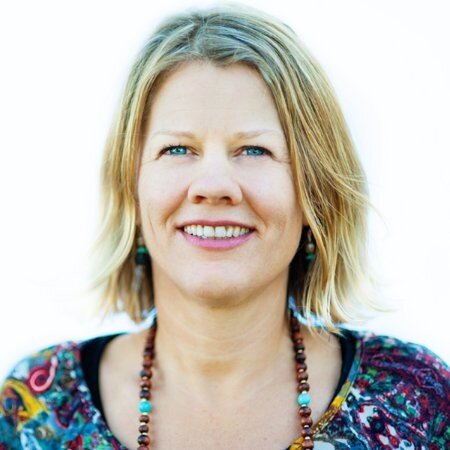
About the author: Tui Cordemans is the Co-founder and Creative Director of Koh Living. She is also a member of EO Melbourne.
Using LinkedIn to promote your business
LinkedIn is a social media platform that has been used by individuals, companies, and organisations to connect, network, and promote their products, services, causes, and brands. Entrepreneurs have also recognised the value of LinkedIn to their business, and EO Members share with us how they utilise LinkedIn to promote their brands and organisations and take advantage of the platform’s network.

LinkedIn is a social media platform that has been used by individuals, companies, and organisations to connect, network, and promote their products, services, causes, and brands. Entrepreneurs have also recognised the value of LinkedIn to their business, and EO Members share with us how they utilise LinkedIn to promote their brands and organisations and take advantage of the platform’s network.
Create brand awareness
As more and more professionals connect on LinkedIn, it becomes an effective venue to push for brand recognition. Although most users tend to use it for business purposes, it doesn’t mean one cannot get creative and playful on this platform. Let your brand’s personality shine and inject a bit of fun to make your posts stand out.
“I use LinkedIn for business to create brand awareness and get known in my field. It is mostly for PR purposes. To be honest, I treat it more like Facebook and do not take it too seriously as some of the comments I leave are more for fun than serious engagement. LinkedIn can be a bit dry sometimes, so why not spice it up,” quipped Alex Louey, Co-Founder and Managing Director of Appscore.
Attract new prospects

Raising awareness for your brand can help generate prospective customers and new clients for you. If you use LinkedIn well by regularly expanding your network and posting quality content, you will be able to attract a potential market for your business.
“We use our LinkedIn to re-purpose awesome content that will help us attract new prospects to our community and world that, in turn, will hopefully see our brand as a source to learn from,” said Nathan Chan, CEO and Publisher of Foundr Magazine.
Promote one’s products and services

While you’re at it, go beyond your regular posts. Talk about your products and services so that readers become more familiar with what you do and what you can offer. Your content doesn’t have to be a hard sell as you can subtly present your offerings that can pique the interest of your readers.
“We use it to post and share videos that we have produced for our clients. It's a great way to showcase what we do on a mass scale. And every month, we always win new clients that say they found us through the videos that we share,” Anthony Lam, Managing Director of Punchy Digital Media, claimed.
Tell a story

LinkedIn is a platform for professionals, but remember that they are also individuals whom you can inspire and motivate. The users can also relate to your experiences, so use the platform to reach out to them through your stories.
“LinkedIn has been my go-to marketing platform to tell an authentic story without spamming people’s inboxes. During COVID, when we had no budget for marketing but still needed to tell the story to the world, we used LinkedIn to showcase and as a case study of what we were doing. The result from this was a 75% increase in new customers. Being able to connect with people at a one-on-one level was important to me. Few important things on LinkedIn -- personal profiles and personal articles get better traction than company updates,” Arosh Fernando, Founder and Director of WooHah Productions, shared.
Build credibility and authority

There is power in your LinkedIn profile and posts. Whatever you put out there can make or break your image. Make LinkedIn work for your advantage by sharing things that can build your portfolio. Share your wins, give and ask for recommendations, engage with people in your network, update your profile, and be consistent in your messaging.
“I use LinkedIn in building credibility and as a way of being seen. I try and post an article weekly that is in alignment with how I want to be recognised, which is as an authority on People,” remarked Jeni Clift, Director/General Manager of DWM Solutions and a Professional EOS Implementer.
If you have some great experiences on how LinkedIn has helped you in your business, share them with us through the comments section below.
Check out the EO Melbourne LinkedIn page at https://www.linkedin.com/company/eo-melbourne.
How to become an impactful public speaker
Every entrepreneur has a good story to tell. But, how do you tell a story and make a difference? How do you deal with stage fright? How do you make sure that you create an impact every time you come in front of the audience? Some of our EO Melbourne members share how they overcome this fear and make sure that their story and learnings reach their audience effectively.
We’ve got help from Appscore Co-Founder and Managing Director Alex Louey; Punchy Digital Media Managing Director Anthony Lam; WooHah Productions Founder and Director Arosh Fernando; DWM Solutions Director/General Manager and Professional EOS Implementer Jeni Clift; and Foundr Magazine CEO and Publisher Nathan Chan, who shared with us their learnings on how to become an impactful public speaker.
Every entrepreneur has a good story to tell. But, how do you tell a story and make a difference? How do you deal with stage fright? How do you make sure that you create an impact every time you come in front of the audience? Some of our EO Melbourne members share how they overcome this fear and make sure that their story and learnings reach their audience effectively.

We’ve got help from Appscore Co-Founder and Managing Director Alex Louey; Punchy Digital Media Managing Director Anthony Lam; WooHah Productions Founder and Director Arosh Fernando; DWM Solutions Director/General Manager and Professional EOS Implementer Jeni Clift; and Foundr Magazine CEO and Publisher Nathan Chan, who shared with us their learnings on how to become an impactful public speaker.
Preparation
“Public Speaking is something I enjoy doing, although I still get nervous after 20 years. But I know this is a good thing as preparation is key to a flawless presentation in any public speaking event,” Arosh Fernando pointed out.
This is why many public speakers always say this, “Practice, practice, practice,” which Anthony Lam also reiterated. “The first proper public speaking event I did was the Digital Marketing Summit 3 years ago. I practised the presentation until I knew it by heart. I had 4 weeks to learn and I practised 2-3 times throughout the day. But having done it once, I think it would be pretty easy to do it again, going forward,” Anthony enthused.
Proper preparation also includes putting together the right materials needed for the presentation. “Make sure your slides don't have too much text,” Nathan Chan stated, to which Jeni Clift added, “Just a handful of slides – not death by PowerPoint.”
Connecting with the audience
Being able to resonate with your audience is an important factor in a powerful presentation. “Really make sure that you understand the audience you are speaking to,” Nathan remarked. That entails “Talking TO the audience and not to the lectern or the screen behind you,” as Jeni advised.
In order to keep your audience focused on your message, “Keep still and stay in control of your hands. It is so distracting for people to be pacing the stage or waving their hands around as that will probably make you lose your audience,” Jeni added.
It also helps that you acknowledge your audience every now and then during your presentation. “My biggest tip for public speaking is to pump up your audience by telling them how amazing they are,” Alex Louey said.
On the other hand, Anthony shared an interesting insight. “Lower the bar. I always try to share very advanced tips, which I find they confuse the audience at times. It's always better to lower the bar on how ‘amazing’ the content needs to be and keep it simple. More times than not, what I find as ‘common knowledge’ is what the audience will relate to and find most interesting,” he stated.
Delivery and presentation proper
Once you have prepared well and connected with your audience, be mindful of the delivery of your messages. Arosh’s tip is to break it into segments. “Have an intro or icebreaker, make your content interesting like ‘5 Things I Love Doing When Public Speaking’, and highlight the value and summary. This helps the content to stick because sticky content is what people remember. Keeping it short and sharp will make it impactful rather than long drawn out speeches,” he shared.
For Alex, it is also important that you “slow down your speaking by pausing so you don’t sound rushed.”
Moreover, a good story can make the audience relate to you and remember what you are trying to convey. “I love to use a story to articulate what I need to get across,” Arosh said. This is echoed by Nathan, “Tell as many stories as you can. They are what people remember the most. Lastly, be vulnerable.”
These are simple yet very helpful tips for those who may soon be facing a group of people to speak about their business or a particular topic. If you have additional tips on public speaking that you’d want to share, please feel free to drop them in our comment section below.
Ways to motivate your staff at work: 5 tips from EO Melbourne Members
One of the factors of a successful business is having a strong and dedicated team that keeps the organisation running like a well-oiled machine. However, no matter how passionate, hardworking and talented your people are, they still experience exhaustion, burnout, boredom, frustration, disappointment and all other things that may slow down or hinder your progress.
Your workforce is an important asset of your business. It is just fitting that you look after their welfare and keep them motivated at work to inspire them to do their best, perform well and hit their targets. EO Melbourne members share various ways on how to encourage your team members and inspire them to keep going.
One of the factors of a successful business is having a strong and dedicated team that keeps the organisation running like a well-oiled machine. However, no matter how passionate, hardworking and talented your people are, they still experience exhaustion, burnout, boredom, frustration, disappointment and all other things that may slow down or hinder your progress.

Your workforce is an important asset of your business. It is just fitting that you look after their welfare and keep them motivated at work to inspire them to do their best, perform well and hit their targets. EO Melbourne members share various ways on how to encourage your team members and inspire them to keep going.
Communicate your vision and plans
Having a shared vision and goal, such as where you want to bring the business and how you want to get there, is essential in leading a team. Apart from being transparent when it comes to your objectives and plans for your enterprise, there are also advantages when you present to them how they can grow and develop within your organisation because it helps them to visualise and understand that when your business advances, it also has a positive ripple effect on them.
A helpful tip from John Liston, Director at Liston Newton Advisory is “I try to communicate clearly the vision of the business and where we are going together. The vision of the business is that we grow in size, and there are more opportunities for career growth, development and personal wealth for all those involved. The price of admission to be on that journey is that all staff own their numbers and hit their targets.”
Give affirmation
Sometimes, all it takes is a little push or a few words of encouragement to bring out the best in them. Trusting in your team’s capabilities enables them to prove themselves worthy of such trust and empowers them to come up with strategies and plans that will help them achieve their targets. Affirming their good works also emboldens them to always put their best foot forward in everything they do. That is why Carlo Santoro, Founder of RetailCare, makes sure that he is “standing alongside the team at all times and giving them deep confidence in their skills and ability.”
Conduct regular huddles
Constant interaction and communication is key to a stronger team. And even when some of your staff may be working from home or in remote locations, find time to have regular contact and huddles to discuss various updates, concerns and other aspects of their job and areas that may also be affecting their work. Take this also as an opportunity to talk about light matters that can make your regular meetings more interesting and fun.
As an example, Punchy Digital Media Managing Director Anthony Lam shared, “One of my favourite things that we do is we start our Friday weekly huddle with a communication starter and go around the team. These can range from light-hearted to some very deep questions that let us learn more about each other.”
Jason Ellenport and his team at Edison Partners also do something similar to what Anthony imparted. “During the lockdown, we ran regular short 30-minute daily WIP sessions to ensure the team was on the same page. This was supplemented by a ‘Friday drinks’ session to maintain informal team interaction and culture,” Jason conveyed.
Have some fun activities with the staff
Organise some fun activities and interesting initiatives for you and your team outside of your regular meetings. You can do team building sessions or have monthly or quarterly get-togethers or arrange for small put a hobby corner at your workplace. There are many things you can do and you can even tap on your staff to take the initiative on this. Sometimes, it’s good to see the various sides of your team members where they are not confined to stiff and structured environments.
Professional EOS Implementer and the Director/General Manager of DWM Solutions Jeni Clift shares a brilliant idea on how to inject enjoyment in the workplace. “I am an eDISC Practitioner and run some activities around the different behaviour styles to give people a greater understanding of how different people behave. One of these is set in a pretend café and is always different and fun.”
Reward them for a job well done
Having a reward system is one of the methods business owners implement in organisations because it’s a key motivation as well as a form of recognition to those who do their job well and even beyond expectations. Some rewards may come in the form of incentives, awards, promotions or gifts. It’s also important that you understand the kind of remunerations that will appeal to your team. There may be those who appreciate getting material gifts while others may prefer having a one-of-a-kind experience.
One example is going on trips like how Nathan Chan, CEO and Publisher of Foundr Magazine, and his team has done. “We did an all-expenses-paid trip with our team to Thailand for hitting our annual revenue goal targets. It was an incredible shared experience and brought the team closer together.”
There are various ways to encourage your staff to perform well and achieve their goals and targets. Please share with us your experience on how you have done it in your organisation through the comment section below. We’d love to hear your story as it may also inspire others to do the same.
President's Update - April 2021
From the President
Dear EO Melbourne,
I am writing this President Update having just chaired the bi-monthly Moderators meeting where I was listening to stories of how well forums are running and the amazing peer-to-peer support occurring to help each other move forward together. It is great to hear about forums planning their retreats in locations like Queenstown in New Zealand (yes the travel bubble has arrived!) and the Northern Territory, focused on meeting forum members' personal and business development goals. The general discussion was around how connected everyone was feeling within their forums.
From the President
Dear EO Melbourne,
I am writing this President Update having just chaired the bi-monthly Moderators meeting where I was listening to stories of how well forums are running and the amazing peer-to-peer support occurring to help each other move forward together. It is great to hear about forums planning their retreats in locations like Queenstown in New Zealand (yes the travel bubble has arrived!) and the Northern Territory, focused on meeting forum members' personal and business development goals. The general discussion was around how connected everyone was feeling within their forums.
Brené Brown is a research professor in the US who writes and speaks on courage, vulnerability shame and empathy. One of her quotes that really resonated with me is: “I define connection as the energy that exists between people when they feel seen, heard, and valued; when they can give and receive without judgement; and when they derive sustenance and strength from the relationship.” My hope is that you are all experiencing this level of connectedness within your forums, and as a Chapter, we will continue to champion this with events like the upcoming “Member Connect Night Out” which is all about fostering Chapter-wide connections.
I am looking forward to taking over officially as EO Melbourne Chapter President at the June hand-over Gala celebration. In the meantime, I will continue to see out the theme for our year being "Lead With Hope". I look forward to introducing our new theme at our Gala celebration. It gives me immense pleasure and a sense of pride to be leading this awesome chapter. I am excited about working with a talented board that are sacrificing their time to ensure we advance the chapter and grow together. We have so many exciting experiences being planned for the Chapter. On that note, I refer you to these links regarding renewal details (Membership Renewals | Accelerator Renewals) and encourage you all to continue this EO journey in what will be an exciting year you will not want to miss.
Warmest regards,
Socrates Capouleas, Finance Chair and Forum Chair, 2020/2021
President 2021/2022
EO: A strong business support system during challenging times
“Alone we can do so little; together we can do so much.” – Helen Keller
A few years back, no one has ever imagined that we would be experiencing this tough global crunch that we have today. Every corner of the world has been affected by the pandemic, affecting many industries and economies. It is undeniable that it has also taken a lot of toll on business owners.
“Alone we can do so little; together we can do so much.”
– Helen Keller
A few years back, no one has ever imagined that we would be experiencing this tough global crunch that we have today. Every corner of the world has been affected by the pandemic, affecting many industries and economies. It is undeniable that it has also taken a lot of toll on business owners.
However, being among peers and colleagues and surrounded by like-minded individuals who are going through the same worries and lending support to each other can be a huge help during this time of crisis. As depicted in a fable, a single stick can be easily broken while it would be difficult to do it on a bundle of sticks.

The same can be said for entrepreneurs who have strong support from a group like EO. For members of EO Melbourne, the chapter is a huge help and comfort as they navigated through the crisis. One of the benefits that they pointed out in belonging to this group is the Forum.
Jason Ellenport, Principal at Edison Partners, echoed this sentiment. “Above all else, it was my forum which assisted me to navigate the crisis. We went to twice forum meetings per month to ensure we were there for one another.”
Information sharing
At a time when movements were limited and things were at a standstill, connecting with people is essential and helpful. It is also necessary for business owners, especially in getting the necessary information about various industries and recommendations for leads.
“The (EO Melbourne) WhatsApp group helps a lot by quickly sharing information and links to resources. Because of the rapidly changing nature of the COVID-19 crises, it was good to have information shared so quickly and, more importantly, verified or dismissed as a rumour. We changed our forum to twice monthly, which helped to disengage from the frenzy and take a higher-level view of life with the other forum members,” said Liston Newton Advisory Director John Liston.
These sharings also includes first-hand experiences, especially on products and services that others have availed and used. For RetailCare Founder Carlo Santoro, the network of connected like-minded people has helped him ensure that he stays on top of all the latest ideas and government regulations by learning from the experiences of others.
Relatability
Having someone or a group that understands what you are going through is very important at this crucial point of our global events. People who can empathise with your situation can often help lift the burdens that you have been carrying all along.
According to Cesar Aldea, Founder and Managing Director of Aldea Consulting, “As a group of business owners, we shared our challenges, fears and wins during these difficult times. The level of relatability makes the group a safe platform to share EVERYTHING that’s happening to you personally or with your family and business.”
Supporting each other
When one is going through difficulties, whatever kind of help – big or small – can go a long way. “Certainly, having my forum has been the biggest support,” Cesar declared.
Gry Tomte, HÜD Skin + Body Director + Founder, still remembered how it was when the pandemic started. “I was fortunate enough to start EO at the beginning of COVID. I remember clearly my forum training with Carlos the very day everything went haywire. One of my first experiences was a breakfast meeting where listening to so many EO members already having lost their entire business – but with the resolve to turn things around – was a humbling, emotional and pivotal moment.”
She further elaborated, “When I was placed in a forum, I had no idea what to expect. It’s taken me a long time to understand exactly what forum is about. But now that I do, I can honestly say my forum has pulled me through some of the most difficult times I’ve ever experienced in business and life. I said this just recently, ‘I am so lucky to have stumbled into this forum at the perfect time.’ Having a group of absolutely awesome humans with such vastly different but often with the same core experiences is priceless. It’s such a blessing knowing you’re not alone. And all the things you go through as an entrepreneur, while it seems as though everyone else is breezing through it, most have been there or will be there. Oftentimes, we can’t see the gold because we’re too absorbed in digging through the dirt. My forum had helped me see the gold in so many situations. I’m forever grateful for joining EO.”
At this time, we may still not know what the future – short-term or long-term – holds for every one of us. But having a strong support business during a challenging entrepreneurial journey can help you stay on track and continue towards your goals by a considerable margin than when you’re all by yourself. Helen Keller’s inspiring quote “Alone we can do so little; together we can do so much” still rings true in our present time.
Mentorship Story: Reflecting from the rearview mirror to drive forward on the entrepreneurial highway
To be a better leader – this is the goal this year of James Murray, Founder and Managing Director of Work Healthy Australia. And for him to drive himself forward in achieving this goal, he recognises the value that the mentorship program is offering entrepreneurs like him, who aims for continuous personal and professional growth.
James is thankful to have Steve Sacks, Chairman of Sonnant, as his mentor because of the value that their relationship has brought to James’ professional development. “My journey for my self this year is to become a better leader, which means to become a better listener. Steve has been very helpful. Even if I've only changed 1% or 2%, I attribute a lot of that to some of my conversations with Steve because he's just such a good listener,” James professed.
To be a better leader – this is the goal this year of James Murray, Founder and Managing Director of Work Healthy Australia. And for him to drive himself forward in achieving this goal, he recognises the value that the mentorship program is offering entrepreneurs like him, who aims for continuous personal and professional growth.
James is thankful to have Steve Sacks, Chairman of Sonnant, as his mentor because of the value that their relationship has brought to James’ professional development. “My journey for my self this year is to become a better leader, which means to become a better listener. Steve has been very helpful. Even if I've only changed 1% or 2%, I attribute a lot of that to some of my conversations with Steve because he's just such a good listener,” James professed.

For both James and Steve, their mentor-mentee relationship is like a two-way street where they get to learn from each other and be inspired by what the other has done in his entrepreneurial journey, notwithstanding the differences they have in their respective phase in the journey.
Restoring things to make them more efficient
Steve has enjoyed being a mentor to James because of the many facets of entrepreneurship that James brings to the table. “I've enjoyed hearing James' agenda of activity, like the amount of stuff that he packs into a week is pretty inspiring. But I've enjoyed telling him to slow down as well. I've found great value in learning about a completely different sort of business sector. Well, it’s two actually, between the egg farm and Work Healthy Australia. And also, I like hearing about James' various non-work activities like his passion for old Saabs,” Steve shared.
Whilst Steve is learning from James’ involvement in such a diverse range of activities – both business and personal interests – he is also imparting with James some of his learnings from his entrepreneurial journey. “One of the things we've talked about has been around where James’ company is at now, with 70 staff members. I've taken a couple of companies from startup up to that number of people, and some of the challenges that you face when you get to around 25 and then around 50 are that the management structures typically need to change. Some of the control needs to devolve. Some of that I learned painfully and I think most founders learn painfully even if they hear it from somebody else. But I've tried to reflect on that in some of the conversations with James as he goes through that same challenge. I'm sure he'll get through it,” Steve said.
From Steve’s experience, James could draw out his thoughts and realisations and then apply them to his business, hoping to make it better, the same way as to making his Saabs up and running. “It’s helpful hearing about what you have to do at 25 people, which is a lot different than what you have to do at 50 and how different those businesses are because, for me, I've just been adding a couple of people at a time. I haven't looked at it like it’s 25 then 50. That reflective view, back in the rearview mirror, is helpful because as an entrepreneur, sometimes we don't want to let go of things, especially if they were like our favourite thing or they were something that we used to think we're good at. That ability to recognise that you've got to let some stuff go to let other people do well is a great experience to hear,” James reflected.
He added, “When Steve shares some war stories from a couple of the other business he was in – some of his tough times, the hard things that he's had to get through and the hard decisions he's needed to make – those are awesome learnings because typically in my experience, I've had to make every mistake to learn from it. Those are much cheaper lessons to work my way through, so I appreciate how genuine and how deeply Steve shares them with me.”
Slowing down but moving ahead to the future
Driving a bus loaded with a lot of people towards the goal can often be tiresome for entrepreneurs. Trying to accelerate their speed to get to their destination faster can sometimes take a toll on their wellbeing, which may affect their families, businesses and those who rely on them.
In James’ situation, “There's a lot of people around me right now. I've got 70 staff members and four kids as well, and everyone just wants a little bit of me. They just want to pull me here and there. Sometimes, I don't know how to say ‘no’. It's great that I like to help people but it's also really hard on me. What I've learned from Steve, and he’s good at telling me this, is to just slow down a little bit or make a better choice or just find some time to turn down the volume in my brain and chill out. I think that's good because no one who works with me is going to tell me that. Having someone external to me who can just say, ‘hey James, grab a hold of that volume button and turn it down a couple of notches.’ It's helpful because I can't see myself from an outsider's perspective. That deeper reflection from a good place has been helpful. I have learned a lot from that.”
“Steve's been successful and he's done a lot of great things. He's in a different phase than me. That phase where you get to pick and choose what you want to do and you don't have a lot of people who are on to you all the time, that ability to embrace your own choices and then also be disciplined within your own choices and enjoy those, it has given me a lot of hope for the future and a lot of inspiration to create my own life,” James remarked.
Driving the Mentorship Program forward
As a former EOer himself, Steve appreciates how mentoring is done in the organisation. “The past few years, I've been doing increased involvement in more informal types of mentorship situations, but given this is EO and I can relate to the culture and the ethos of experience-sharing rather than telling people what to do, I thought that it'd be a good one to have a more formalised kind of mentor-mentee relationship. I think part of it is that we're trying to keep to a reasonable structure here. I think it has worked well trying to structure the program and have some intentionality into what you're going to cover and how you prepare them.”
On the other hand, for James who is currently the Mentorship Chair, the program is a significant pillar of the chapter. So, while he works towards further strengthening the program, he also participates in it as a mentee and gets various benefits from it. “I think it's a great program because if you look at the calibre of mentors that we've attracted into the program this year in Melbourne, and we're talking about over 30 mentors now in in the program, we've got some incredibly experienced individuals and they're volunteering which is amazing. I love the program and I’m going to do it next year. Because the maximum that you can do in EO is three years, I think I'll probably keep it for the third year. I’ll try and build it up to be a real cornerstone of the chapter experience for the members of Melbourne. I don't think there are any downsides being part of it.”
Moreover, James couldn’t stress enough the idea that “Mentorship creates the environment through which both of us can share our experiences for mutual benefit. I hope that Steve would like to continue our relationship after the official mentorship is over. This isn't a business transaction and the mentorship relationships provide critical value that is added to our membership in Melbourne. This is part of our entrepreneurial journey where we can continue to learn and grow.”
----
If you’re an EO Melbourne Member, have you already signed up for the next mentorship intake? Find out more on our Mentorship page.
3 different ways innovative entrepreneurs use cryptocurrency for their business
As the online space and financial world merge more and more and break boundaries, the interest in cryptocurrency is increasing by the minute. People looked into it as a way of boosting their financial resources. As its popularity rises, cryptocurrency has become an option for entrepreneurs to use in their business. How can it be done?
While many cannot still wrap their heads around this new concept, we tapped into the expertise of EO Melbourne Member and Nugget’s News Executive Director Ben Simpson, who shared with us his thoughts on the subject matter.
As the online space and financial world merge more and more and break boundaries, the interest in cryptocurrency is increasing by the minute. People looked into it as a way of boosting their financial resources. As its popularity rises, cryptocurrency has become an option for entrepreneurs to use in their business. How can it be done?
While many can not wrap their heads around this new concept, we tapped into the expertise of EO Melbourne Member and Nugget’s News Executive Director Ben Simpson, who shared with us his thoughts on the subject matter.

1. Investment
Eliminating financial institutions in the process, cryptocurrency provides an alternative method for investment, which may be advantageous to startups and small and medium-sized enterprises. One thing to note, however, is that while it provides opportunities for expanding one’s business, it can also pose certain threats because it’s highly volatile.

According to Ben, “Cryptocurrency is one of the best performing asset classes of the past decade, but it’s also the most volatile. There is a wave of innovation in the space that can touch a range of different industries and create a huge amount of opportunity, and I think entrepreneurial types are very much drawn to that. It also helps that entrepreneurs typically possess a relatively high-risk tolerance and a thick skin which is very much needed if you’re going to participate in this space in any way.”
2. Payment
As it can be used worldwide without going through banks, cryptocurrency can make processes swifter and cheaper. Given that, Ben said that businesses can use it for payment transactions, international payments included. “One method (which is what we do in our business) is to use cryptocurrency as a method of payment. For most of our team outside of Australia (predominantly the US), we pay them via cryptocurrency to avoid the excess fees, poor exchange rates and slow transaction times offered by our local bank,” he said.
3. Trade and other transactions
Cryptocurrency is also advantageous to use not only in sending money but also in receiving them easily. Ben added, “Another method is to start accepting cryptocurrency payments in exchange for products or services. These days, it’s far easier for businesses to set up cryptocurrency payment gateways, and also to automatically convert it into their local currency if they want to avoid volatility risk. Of course, entrepreneurs will first want to consider their customer base before deciding to accept cryptocurrency payments.”
While cryptocurrency seems to be attractive to many, particularly business owners, it is still good to have a full grasp of its advantages and disadvantages, as well as opportunities and risks. Ben’s recommendation is to “Educate yourself. Blockchain is a bleeding-edge technology that can deliver great opportunities, but with great opportunity comes great risk. Users are faced with several challenges including (but certainly not limited to) scams, security and price volatility underpinned by the knowledge that most mistakes are often irreversible.”
If you feel that you still need to know more about cryptocurrency despite the many resources available, don’t rush yourself. Seek experts’ advice, if needed. As Ben pointed out, “There’s a rather steep learning curve to understanding the basics of cryptocurrency and blockchain, which leads many people to invest blindly in the space without taking the time to learn, research and understand it. A little bit of knowledge can go a long way in this space to ensuring you act safely and securely and take advantage of as many opportunities as possible without exposing yourself to a disproportionate amount of risk.”
Investing your money and resources into cryptocurrency also entails investing your time and effort in learning more about it before dipping your feet into the water. Look into it more closely and see how it can benefit your business growth and resilience. Cryptocurrency holds great promise, so it’s better to be prepared for what is to come as cryptocurrency can usher businesses to the future of financial technology.
On trends and predictions: how it will help chart your business growth
Setting targets and goals is an important part of keeping a business running. It provides the team with the direction of where the company is heading and allows them to come up with strategies based on the objective set. Looking ahead may include forecasting, which helps gauge if the target is attainable and feasible within the given timeframe and resources on hand.
Entrepreneurs prepare for the future by looking at trends and coming up with a prognosis of what is to happen. EO Members share how they keep themselves updated on the latest trend in their industry.

Setting targets and goals is an important part of keeping a business running. It provides the team with the direction of where the company is heading and allows them to come up with strategies based on the objective set. Looking ahead may include forecasting, which helps gauge if the target is attainable and feasible within the given timeframe and resources on hand.
Entrepreneurs prepare for the future by looking at trends and coming up with a prognosis of what is to happen. EO Members share how they keep themselves updated on the latest trend in their industry.
I talk to suppliers and partners to get to understand where the business is changing, as well as to the leading businesses in each industry category that we work in. – Carlo Santoro, RetailCare Founder
Being an avid reader certainly helps with staying abreast of the latest trends in the translation and localisation industry. In my spare time, I regularly read global industry news, blogs and reports. When I am on the move, I also listen to industry podcasts. I also enjoy exploring research papers from academia to help understand how research and evaluation can help influence our translation company. Finally, staying connected with other professionals in the industry, including attending networking events, as well as arranging one-on-one meetings has been incredibly valuable. – Costa Vasili, EthnoLink CEO and Founder
I read a lot of books, listen to podcasts and follow thought leaders on LinkedIn. – John Liston, Liston Newton Advisory Director
Edison has M&A Advisory, Strategy & Transformation Consulting and Private Equity business lines, so it’s important I’m up-to-date across all three areas. To do so, I read extensively, listen to podcasts – including www.Disciplinn.com (which Edison proudly sponsors) – but most importantly, I engage with entrepreneurs and business owners to understand their priorities and listen to how their respective landscapes are changing. – Jason Ellenport, Principal at Edison Partners
Watching out for trends and conducting research enable business owners to have a foresight of what to come. It may not be 100% accurate, but it gives one a preview of what to expect and prepare for possible opportunities and threats. It also provides a different perspective on how we would be doing things and have a better understanding of things around us.
And what are some of the business predictions entrepreneurs have for the rest of the year? Here are a few we’ve gathered from our members:
I believe many businesses have simply realised the number of unnecessary processes-protocols-routines that are nothing more than decorative stuff, mostly a waste of time and energy that until now has never been questioned. Today, we know that people can be more productive working from home and managing their own time. We know that we don’t always need fancy offices; that you can maintain relationships without travel; and that Zoom overtime sucks! I’m predicting a simplification to the way we do business. This is the time when we have the opportunity to adjust our work our lifestyle and start living the life we always wanted. – Cesar Aldea, Aldea Consulting Founder and Managing Director
Heightened activity in M&A markets, with continued domestic and cross-border inbound interest in ANZ assets. – Jason Ellenport, Principal at Edison Partners
Integrations and automation is the biggest growth area for business in 2021. – Carlo Santoro, RetailCare Founder
Staff will not go back to normal pre-COVID work. As a business, we’ve seen the fall out of extended lockdowns and the way it’s affected how people prioritise work-life balance. Several team members have decided that travelling 2 hours every day for a job they love with an incredible culture - isn’t enough when they can work 5 minutes from home and be home at 5 every day. Priorities have shifted with people working from home and I am expecting many offices will see their people demanding to spend some of their time working from home with more flexible hours. I think we’ll also see a lot of people changing careers. – Gry Tomte, HÜD Skin + Body Director + Founder
Increased volatility in listed-equity markets will likely drive an increased appetite for alternative private equity investment classes. – Jason Ellenport, Principal at Edison Partners
E-commerce and digital products will be bigger than ever. I can see that the convenience of having everything accessible online at any time is something that won’t be going anywhere. And I think this world will see a lot more exciting innovation in the coming years as companies have pivoted their technology and operations to adjust to a covid normal. But I think the businesses in the tech space who will do best are those who have a broader purpose clear to the consumer. Even though we’ve gone online people still crave connection and genuine care. – Gry Tomte, HÜD Skin + Body Director + Founder
High growth for all business that is focused and listening to their customers. – Carlo Santoro, RetailCare Founder
My biggest prediction is that people will prioritize happiness; spending more time doing the things you love with those you love, over money and career. Therefore employers will need to shifts their focus from KPIs to KHIs to motivate, retain and attract new people. – Cesar Aldea, Aldea Consulting Founder and Managing Director
How about in your industry? What are the trends you currently see and from those, what predictions can you formulate for the rest of the year and the coming year? Share with us your thoughts through the comment section below.
President's Update - March 2021
From the President
Dear EO Melbourne,
“The only way through fear is experience” - Mark Mathews
Rewind to a few weeks ago, we held an event that many described as “one of the best EO events I’ve ever been to”. No exaggeration...well, it could be that we’ve been deeply deprived of live in-person action but nevertheless, it was an experience that we, at EO, would describe as once-in-a-lifetime.
It was only at the eleventh hour that news broke that QLD borders were opening up and so the team worked some magic to have one of the world’s best Big Wave Surfer fly over and keynote this OILE.

Source https://www.markmathews.com/
From the President
Dear EO Melbourne,
“The only way through fear is experience.” - Mark Mathews
Rewind to a few weeks ago, we held an event that many described as “one of the best EO events I’ve ever been to”. No exaggeration...well, it could be that we’ve been deeply deprived of live in-person action but nevertheless, it was an experience that we, at EO, would describe as once-in-a-lifetime.
It was only at the eleventh hour that news broke that QLD borders were opening up and so the team worked some magic to have one of the world’s best Big Wave Surfer fly over and keynote this OILE.
As Mark Mathews delivered a heartfelt and impeccable talk that had us on the edge of our seat and blinking back tears of emotion - there was a big message here he wanted to hit home.
Fear is inevitable. Everyone experiences it.
Courage is not the absence of fear; instead, it is the ability to keep going in spite of it.

As entrepreneurs, we face fear daily. Some fears we are able to push through easily, other times, we procrastinate and tiptoe around what we know we should be doing.
We revel in being the person at the top because we don’t have anyone to tell us what to do and hold us accountable. Yet, when it comes to our goals and aspirations, we seek accountability especially when we’re not too sharp at doing that ourselves.
For me, EO and forum have been key to pushing through that fear to grow — from being inspired by other members to being called out in my forum if there’s a reoccurring 5 percenter in my monthly update. The self-fulfilment ultimately comes from the work I keep avoiding.
On that note, I’ll be signing off for the last time as Chapter President as I embark on my next life-changing chapter - motherhood.
I want to take this opportunity to express my gratitude to the entire EO Melbourne Chapter Board for working tirelessly and selflessly, during a challenging year, to bring our members together and make them feel supported in every way possible.
With Socrates Capouleas taking over the Chapter President role, you’re all in great hands.
Hopefully, I’ll get to see you all at the Board Handover and End-of-Year Gala Dinner on 18 June, Friday.
Warmest regards,


Sheryl Thai
President 2020/2021
The path of entrepreneurship through acquisition
When we talk about entrepreneurship, the first thing that comes to mind is starting a company from a garage. However, there are various ways towards a successful business journey, and one of these paths is entrepreneurship by acquisition. Top-level universities and business schools like the Harvard Business School, Columbia University, The University of Chicago, and Duke University, among many others, even offer Entrepreneurship by Acquisition in their curricula.

Not all entrepreneurs start their journey from a garage; some entrepreneurs decide to jumpstart the process and follow the entrepreneurship by acquisition path.
This is not a made-up term. As a matter of fact, top-level universities and business schools like the Harvard Business School, Columbia University, The University of Chicago, and Duke University, among many others, offer Entrepreneurship by Acquisition in their main MBA curricula.
The truth is that you don’t really need to have a brilliant new idea or a unique opportunity to become an entrepreneur. Some people prefer to look for an existing business that already has the available resources and assets and then scale it or do a pivot or bring the company to a better position than from where it was before. Acquisition entrepreneurship is a good option for those who want to put their advanced entrepreneurial skills into good use from the get-go because they can spend more time on implementation and putting things into motion rather than be stuck on conceptualisation, trial-and-error, and ascertaining the business environment.
Is it the right path for you?

This was the route that Mobile Skips Owner and Managing Director Jacob Spencer took, who acquired the business from the original owners. He said, “Whether choosing to start a business from scratch or acquiring an established business, both have their relative pros and cons, usually quite different from the other. In my case, I chose acquisition, as the option best suited my strengths and weaknesses.”
“Before making this decision, I spent quite some time identifying and listing clearly what I needed (and wanted) in a business to acquire—with fundamentals like valuation and profit a given. I then spent the lion share of my time on the non-financial attributes that would complement my experience and skills. The first challenge then presented itself: a very limited amount of acquirable businesses that fit my detailed list of requirements…there were none. So, the first lesson was prioritising the list so that the right compromises could be made,” Jacob continued.
While buying a company may seem less risky than creating a start-up from zero and then building it, there are still varied difficulties to face for those who choose this path. One of these challenges is looking for the right business that corresponds to the needs, wants, capacity and capability of the entrepreneur.
To successfully acquire a business, would-be business owners must be able to:

1.) Do a proper search for the right business to acquire
This is a crucial phase in acquiring a business. According to Damian Blumenkranc, who has founded and sold businesses before like Creativa Videos and now taking the entrepreneurship by acquisition path, recently acquiring Sunset, a concrete precast factory in Melbourne, “The first challenge, and it is not a small one, is to find a business you are comfortable with to buy and run and close a deal.” It has to be done properly, checking into the background of prospective companies you want to buy, their profitability, and other factors qualitative that are important to you.
2.) Review or come up with a good proposal and negotiate
When you have done proper research and preliminary due diligence, you can then prepare an offer and negotiate all the terms of the deal. It is critical to try to get the whole picture of where the company currently stands and what is important for the current owner for this transaction.
Another important factor in acquiring a business is having the capital needed to invest in the company. Here are a few options when it comes to financing the business:
Direct investment – you put your own resources to invest as capital to acquire the assets or ownership of an enterprise. This is usually done without an intermediary or broker.
Loans from banks – you apply for a business acquisition loan which you can use to acquire an existing company, buy a franchise or buy out your business partner.
Search funds – if you have limited resources for capital, you can look for other investors to pool funds into acquiring and financing a business.
3.) Take the reins and lead the transition of the company
The success of the acquisition does not end with the signing of the agreement. As Damian stated, “That is just the beginning. I would say the second big challenge of buying a running small business is that the business won't wait for you to adapt, learn and take over. You, as a foreign entity, need to catch up quickly and find your place in the new business. It is like jumping in the cockpit of a commercial plane in mid-flight and taking over the controls without causing too much turbulence.”
Once the deal is done and the sale is closed, immerse yourself in the company, engage with your internal and external stakeholders and review your plans and the changes needed to implement. You may need to reassure your new employees and customers, present a plan and work towards adapting your team, systems and processes.
Lessons learned
Damian shared the lessons he learned in every stage of the process. “For the search stage, I would say, you must have real clarity of the parameters of the business you are looking for (i.e., industry, size, markets, financials, structure, capital requirement, etc). For the deal stage, be as clear and specific in the letter of offer as you can regarding the deal – from what type of contract you will expect to use to even specific guarantees you will expect to have. If you have investors, keep in constant communication with them, and set clear expectations of the type of shareholders agreement you will want to sign. Finally, for the handover stage, make a good 90-day plan, grab every key aspect of the business, such as people, cash, occupational health & safety, marketing, sales, and manufacturing, and set a weekly plan for 15 days to 90 days with all the things you want to do for each area of interest. This will help you manage the workflow, prioritise and ensure that you don't drop the ball on something critical to the business.”
He added, “To be able to launch and build a brand that existed before, the first thing for me is to understand the history and heritage of the brand, do nothing until we totally get it and understand the market and consumers well. Once we feel comfortable that we understand and get the brand, it is time to plan the strategy for the next few years.”
The rewards of entrepreneurship through acquisition
Despite the challenges, struggles and difficulties, the whole experience and the results can be rewarding. “One of the significant rewards is that instead of having to start from scratch, you can immediately grow the business and make it more profitable, experiments and small changes can be meaningful from day one compared to a startup where you need to build momentum first. With a running business, you might be able to make small adjustments and get significant rewards quicker,” Damian pointed out.
Similarly, Jacob also finds his journey of entrepreneurship through acquisition satisfying. “The benefit of the acquisition is that much of the hard work proving out the product or service model had been achieved. But much like buying a house vs building one from scratch, some things needed remodelling, renovating and even rebuilding. When I bought Mobile Skips, much of what we could see and review was in great shape, but some elements needed to be rebuilt to enable our skip bin hire to be scaled. I realised these unforeseen things seem to be more normal than not and having available capital to deal with them (and expecting some issues) meant we dealt with them quickly, getting us back on track and growing the business with limited disruption. Having enough capital and resilience to ride the bumps in the early stages ensured we weren’t snagged down early on.”
“My most enjoyable part of the acquisition was having an established group of customers we could learn from and quickly improve our skip hire offer. This meant we were able to do some great research early on and update the service offering, making it even better and getting instant feedback from our customer base. This helped drive more sales quickly and also built loyalty with our customer group by listening and reacting to their feedback. Happy and loyal customers are a huge part of the acquisition valuation. I’ve thoroughly enjoyed my journey with Mobile Skips since the acquisition almost 5 years ago. I hope these small experience shares somehow contribute to your journey as well,” Jacob shared.
Share with us your experience on entrepreneurship through acquisition, if you have any, or drop a question in the comments section below if you are contemplating acquiring a business.
Entrepreneurs' biggest lesson learned in 2020
The year 2020 may be one of the most challenging times that everyone, including entrepreneurs, has experienced. Despite the hardships we experienced due to COVID-19 that has disrupted many lives, the hurdles and struggles have also brought us a lot of lessons and learnings, especially to business owners who have to survive for their teams, families, customers and other stakeholders.
EO Members share the biggest lesson they learned from the previous year, with the hope of taking their learnings with them as they move forward in their entrepreneurial journey.

EO Members share the biggest lesson they learned from the past year, with the hope of taking their learnings with them as they move forward in their entrepreneurial journey.
Acknowledge your vulnerability

“The power of vulnerability.” This is the fundamental realisation that Cesar Aldea, Aldea Consulting Founder and Managing Director, has gained from his experiences last year.
“At the start of the pandemic, our business was booming. We had 10 full-time doctors working with us across 4 states. As a General Practitioner Locum Agency, we thought COVID will bring more work for us. However, the 40% drop in patients attending GP clinics forced our clients to cancel the service. The impact on our business: we went from 10 FTE (Full-Time Equivalent) dropping to 1 FTE within 72 hours. Our revenue fell by 90%. The worst part, and at the same time the most relevant, was having those hard conversations with the doctors (90% of our workforce) to let them know they’ve lost their jobs,” Cesar recounted.
But he didn’t let these ordeals get the better of him. “I knew the way we handled this challenge was going to be paramount for the future of our company. Looking back, I remember the stress levels needed to quickly come up with a contingency plan to save the business, as well as the relationship with our workforce and our clients. The option taken was simply to be vulnerable and share our fears, hopes and plans, something as a business owner you often keep to yourself. Six months later, the result was that we managed to bring back all of those who once we lost, and the relationship with our people and clients certainly has strengthened. Today, our business is no longer driven by the fear of losing people or clients but by a much stronger sense of purpose and service,” he shared.
Don’t forget to Take care of yourself first

For Gry Tomte, Director + Founder of HÜD Skin + Body, “There are no lessons better than those who smack you in the face. So thanks to the year that was 2020!”
It was not an easy year for Gry and her team. “Being in an industry -- amongst many -- that was closed for pretty much eight months, the biggest lesson I learnt was that you need to take care of yourself before you can take care of others. When we first went into lockdown, the adrenaline kept me working 18-hour days consistently to ensure that not only we could pivot in terms of operation but also we could pivot the way the team worked and felt engaged and connected to their brand new roles - much different to what they’d signed up for. There were so many challenges thrown my way every day that I completely forgot to look after myself. In a normal world of running a business, this is fine for a short amount of time. But sustaining this type of adrenaline over eight months can be detrimental. The result was a business and a team that made it through in good shape, while for me, having adrenal fatigue and burnout,” she recalled.
“Having reflected on the lessons learnt throughout, I can see I have become very familiar with the term amygdala highjack. I forgot to put on my oxygen mask before attempting to help others around me, which made it hard to function at my optimal,” Gry added.
Then, one of the lessons she picked in a learning event came to mind. “I had the pleasure of spending three days with Warren Rustand at a conference in Vietnam, and I remember his story of when he went through a very tough time. What he said was when he was faced with extreme pressures, he carved out MORE time for all the things that made him a better person. Double the time on gratitudes, more time exercising, more time doing the things that filled his cup, such as spending time with family. By doing so, only then can you have clarity of intent and laser-sharp focus on the road ahead. Somehow I’d forgotten this very valuable lesson. So my biggest takeaway is: the more consistent you are at taking care of yourself, the more consistent your results will be. And of course, like most business owners, I learnt that having a cash reserve is a must!”
Communicate, communicate, communicate

Transparency and constant communication have been key to many businesses, given the limitations and restrictions imposed due to the pandemic. Many have to work from home and conduct most of their transactions online. With the lack of physical interaction, people often miss certain things and can put some strain on them. This is where one’s presence, albeit virtual, can be of value to individuals or groups.
“Our success in 2020 has been communication with customers, suppliers and team,” stated Carlo Santoro, RetailCare Founder. They have achieved this because, according to Carlo, “We have over-communicated across the board to ensure everyone knew we are there for them.”
Stay connected with others, empathise and be resilient

“The biggest that I learned in 2020 was the power of resilience. Resilience is what gets you through the toughest of times,” EthnoLink CEO and Founder Costa Vasili remarked.
He pointed out, “Since EthnoLink was founded in 2011, we’d had a reasonably steady growth trajectory and never experienced a recession. The year 2020 was truly challenging for the world, and what I discovered was that resilience was a skill I needed to develop — quickly. I did this in particular by staying connected with my networks and speaking with our team, as well as our clients and suppliers. By staying connected, it enabled me to feel like I was in control. I could empathise with the situations that others were going through, which helped keep my situation in check.”
Meet the challenges with confidence and adapt fast

In the case of Liston Newton Advisory Director John Liston, his biggest lesson from 2020 is that “everything can be taken away from you very quickly, whether that is your freedom, your business or your life. When I realised it can all be taken away so quickly, it makes me want to go for bigger and bolder goals.”
Having experienced such difficulties in 2020 have even made John bolder and more determined than ever. “As far as business conditions go, it couldn’t get much worse than last year, so I feel that surviving this is like surviving all the things you fear in business. You realise that you can adapt and operate in these conditions, which give you more confidence in yourself and your business,” he noted.
Be Proactive

“In the challenging and uncertain times, a proactive approach to determining the future will almost always outperform a reactive approach to ‘weathering the storm’,” said Jason Ellenport, Principal at Edison Partners. This has been his biggest learning last year.
He cited how they made a proactive stance during the crisis and the benefits it has brought to businesses. “During the COVID lockdowns of 2020, Edison reached out to over 200 privately owned businesses to better understand their needs and understand how we could be helpful. Fast forward 6-12 months, those businesses that established operational clarity, a strong team and cultural alignment and a proactive strategic outlook (despite all the uncertainty) have fared demonstrably better than their more reactive and conservative counterparts.”
The previous year, due to the pandemic, may have created a huge dent in economies, markets, industries, businesses and people’s lives. Some of the damages may be irreversible. However, instead of shrinking from the difficulties, it is an opportunity for business owners to stretch their entrepreneurial muscles, learn from the experience, move forward with more resolve.
Share with us your biggest lesson you learned in 2020 through the comment box below.
President's Update - February 2021
From the President
Dear EO Melbourne,
“In the beginner’s mind there are many possibilities.
In the expert’s mind, there are few.”
- Shunryu Suzuki
My journey into EO started in 2015 when I was ready to revert back to the beginner’s mind.
At that stage, I had only been in business for 5 years but already felt like it was a lifetime after living and breathing it each day.
From the President
Dear EO Melbourne,
“In the beginner’s mind there are many possibilities.
In the expert’s mind, there are few.”
- Shunryu Suzuki
My journey into EO started in 2015 when I was ready to revert back to the beginner’s mind.
At that stage, I had only been in business for 5 years but already felt like it was a lifetime after living and breathing it each day.
The “fake it till you make it” mentality that helped me launch the business in the early days was starting to wreak havoc on the entire business and life. I experienced what I call a “bakedown”, which made me realise that pretending to know all the answers was causing me great damage.
So, I emptied my mind of what I thought I knew in order to download more.
Since my EO journey began, the forum has been a core pillar of growth in my life. One particular memorable moment stands out to me -- it was when one of my forum members shared this gem with us...
“In 12 months' time, I want to look back at the person I am today and be embarrassed. If I’m not embarrassed by who I was a year ago, I’m not learning enough.”
Looking back to when I stepped into my first forum, I am proud to say I’m completely embarrassed by the person I was back then. What a gift of a perspective to have.
Warmest regards,
Sheryl Thai
President 2020/2021
5 ways you can easily make your business more environment-friendly
“Go Green.” We often see this call-to-action in advertisements, advocacy campaigns and establishments. Businesses have become more conscious of their impact on the environment and have joined efforts in minimising their carbon footprint to help preserve our planet’s biodiversity. But how do you get your business and your entire team to go green?
“Go Green.” We often see this call-to-action in advertisements, advocacy campaigns and establishments. Businesses have become more conscious of their impact on the environment and have joined efforts in minimising their carbon footprint to help preserve our planet’s biodiversity. But how do you get your business and your entire team to go green?

Making your company more environmentally friendly entails great responsibility as it involves the way you do business. However, you can always start with a few steps that can lead to achieving greater things.
Before you map out how to make your company be a green business, it is good to first take a look at companies that practise eco-friendly methods or consult experts that are knowledgeable on this area, then have a committee within your organisation that will help plan and execute your initiatives.
At EO Melbourne, we are privileged to have all these businesses that are operating in this field: Energy Ease, Pacific Solar, Sunwiz, Sunpower Renewables, TCK Solar, and Your Energy Partner.
To give you ideas on where to start, here are five ways on how your business can become eco-friendly:
1. Reduce, reuse, recycle
Minimising waste, utilising things again after use, and making new products from waste or used items are among the basic methods of being an environmentally-responsible citizen. These three words summarise the ways we can help our planet. To put these into practice, you can segregate your wastes so that you can reuse bottles and plastic containers or create something from fabric or paper products.
To cut down on waste, avoid the use of paper cups, plates or utensils and instead choose reusable mugs and utensils in your office. Go paperless by having forms or documents in electronic copies. If printing on paper is necessary, use both sides or utilise again the blank pages at the back of old files. Also, brief your employees the proper way of doing this because educating your team is key to getting them on board and encouraging them to take action.
2. Use products and supplies that are energy-efficient or from sustainable sources
Make sure you use non-toxic cleaning products or you buy organic products for your meals and other supplies. Replace old appliances with energy-efficient ones and use LED lights instead of incandescent bulbs. Prefer recycled products as much as you can. Choose suppliers that are also practising eco-friendly ways and look for local vendors for your materials and equipment.
Also, check out your office design and find alternative ways where you will be able to use more energy-efficient materials or tools in your day-to-day office activities. Carpool if you must, and limit transportation by doing online meetings or voice calls.
3. Conserve water and electricity
Water and electricity are a staple for every household and most especially businesses. As we use them every day, we need to be conscious of their usage as there can be activities or practices that result in a lot of wastage of these resources. Use as much natural light in your offices as much as possible. If the design limits having natural light in your workplace, consider installing motion sensors for lights in your meeting or rooms and faucets in your toilets and pantries.
Another option is to observe lights-off hours during breaks or after office hours. You can shift to desk lights when there are fewer people in the office. Always put reminders to turn off lights and electronic appliances when not in use.
4. Put plants or have a garden in your office
Plants not only make an office attractive but they also clean the air. Also, plants help reduce noise levels, relieve people from stress, increase productivity, enhance creativity, combat illnesses and lower absence rates.
Aside from that, having some greens or a garden in your office also reminds you and your team to be always conscious of the environment. Assign them a plant or give them a schedule to take care of your office garden so that everyone takes accountability in looking after them and carries these responsibilities wherever they are, being mindful of their duty in protecting our planet’s resources.
5. Use alternative sources of energy
You can install solar panels, windmills or rain catchers in your work areas to utilise alternative sources of energy. While this may be easier said and done, it can be achieved with careful planning and good execution. It is a good step towards becoming a more environmentally friendly business.
You can start with these initiatives and expand your company’s green campaign as you go along. And before you bring this to your external audience, be sure to run an internal campaign among your team members so that it becomes part of your corporate culture. The important thing is to embed the mindset and values of being responsible for taking care of our environment within your organisation.
Do you have other suggestions on how to make a business eco-friendly? Share with us in the comment section below.